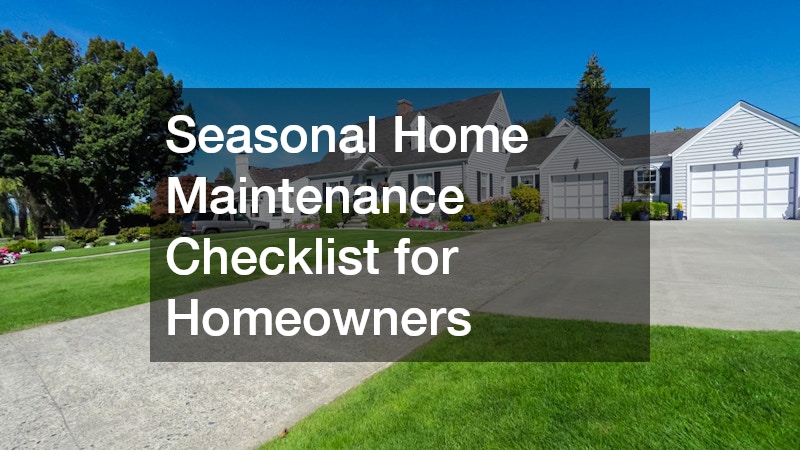
Maintaining a home throughout the year can feel overwhelming, but breaking it down into seasonal tasks makes it manageable and efficient. Regular maintenance not only protects your investment but also ensures safety, comfort, and energy efficiency. By proactively addressing minor issues before they become major problems, homeowners can prevent costly repairs and extend the life of critical systems. Seasonal maintenance also helps in identifying hidden problems, such as small leaks or insulation gaps, which can impact indoor comfort and utility costs.
This guide provides a detailed checklist for each season, offering actionable tips to keep your home in top condition all year round. From inspecting exterior surfaces to caring for HVAC systems and plumbing, following this schedule can save both time and money while creating a healthier and more comfortable living environment.
Spring: Fresh Start for Your Home

Spring is the perfect time to repair damage caused by winter weather and prepare your home for the warmer months ahead. A thorough inspection and timely repairs can prevent issues from escalating and ensure that your home remains safe, efficient, and comfortable. Winter storms, ice, and cold temperatures can take a hidden toll on your property, leaving small problems that, if ignored, can turn into costly repairs during the spring or summer months. By taking a proactive approach, homeowners can not only maintain the structural integrity of their homes but also improve energy efficiency and indoor comfort.
Inspect and Repair Exterior Surfaces
Winter storms can leave roofs, gutters, and siding damaged, which may lead to leaks, water damage, or mold growth if left unchecked. Here’s how to get your home ready for spring:
- Walk around your property and check for missing or damaged shingles, cracks in siding, loose gutters, or areas where paint is peeling.
- Clear leaves, twigs, and other debris from gutters and downspouts to ensure proper drainage and prevent water from pooling around your foundation.
- Check the roof for leaks, sagging areas, or signs of water infiltration inside the attic, and schedule roof repair if necessary.
- Hire roofing services if you notice extensive damage or if you are unsure how to safely assess the roof. Professionals can also perform preventative maintenance to extend the life of your roof.
- Inspect window and door seals, repairing or replacing weather stripping to prevent drafts, maintain indoor temperature, and reduce energy costs.
- Examine exterior foundations and walkways for cracks or settling caused by winter frost, repairing any issues before they worsen.
By addressing exterior issues in spring, you protect your home against unexpected rain, storms, and the effects of seasonal temperature changes while also enhancing curb appeal and overall property value.
HVAC System Check and Air Quality Boost
After months of limited use, it’s important to ensure your HVAC system is ready for the increased demands of summer. A system that hasn’t been maintained may struggle to cool your home efficiently or distribute air evenly:
- Schedule HVAC services to inspect and clean the system, replace filters, lubricate moving parts, and test overall efficiency.
- Consider professional air duct cleaning services to remove accumulated dust, allergens, and debris that can affect indoor air quality and trigger allergies or respiratory issues.
- Check that all vents are unobstructed and functioning properly to maximize airflow and ensure consistent cooling throughout your home.
- Inspect the thermostat and calibrate it for accurate temperature control, including verifying programmable settings for peak energy efficiency.
- Examine the condensate line and drip pan for clogs or mold buildup, which can compromise HVAC performance and indoor air quality.
- Test for unusual noises, vibrations, or odors from the system, as these may indicate parts that need repair or replacement before heavy summer use.
A clean and well-maintained HVAC system not only improves indoor air quality but also reduces energy consumption, prevents costly breakdowns, and prolongs the life of the equipment. Taking these steps in spring ensures a smooth transition into warmer months, providing a comfortable and healthy living environment for your family.
Summer: Keep Your Home Cool and Functional

Summer maintenance focuses on ensuring comfort, efficiency, and the durability of outdoor surfaces. High temperatures and increased household activity can put extra strain on your home’s systems, making it essential to tackle preventive maintenance during this season. This is also the ideal time to address plumbing and paving issues that may have been overlooked earlier in the year, ensuring your home remains safe, functional, and energy-efficient throughout the hotter months.
Plumbing and Water Efficiency Check
Hot weather increases water usage, making it important to maintain plumbing systems and prevent costly leaks. Follow these steps:
- Inspect all faucets, pipes, and outdoor spigots for leaks, corrosion, or signs of wear that could lead to water damage.
- Flush the water heater to remove sediment buildup, which can affect performance and energy efficiency. Schedule water heater repair if it is not heating properly, making strange noises, or showing signs of rust.
- Test all drains, including kitchen sinks, tubs, and showers, to ensure water flows freely and unclog slow-moving drains before they become blocked.
- Inspect toilets for leaks by checking the flapper and water level in the tank, which helps prevent water waste and high utility bills.
- Examine irrigation systems and outdoor hoses for leaks or broken components to avoid water loss and keep landscaping healthy.
- Consider scheduling a professional plumbing service for a comprehensive inspection of your entire system, especially if you notice persistent leaks or low water pressure.
Proper plumbing maintenance ensures consistent water flow, prevents damage to walls and floors, and reduces the risk of emergency repairs during summer. It also helps conserve water, lower energy bills, and maintain the efficiency of water-based appliances.
Outdoor Surfaces and Paving Maintenance
Summer heat and sun can damage driveways, patios, and outdoor walkways, so maintaining these surfaces is critical for both safety and aesthetics:
- Inspect residential asphalt paving for cracks, potholes, or areas of deterioration caused by heat expansion or winter freeze-thaw cycles.
- Clean paved surfaces of debris, dirt, weeds, and moss to prevent further damage and maintain a polished appearance.
- Sealcoat asphalt surfaces to protect against UV damage, prevent water infiltration, and extend the life of driveways and parking areas.
- Repair or replace any damaged walkways, patios, or steps to reduce trip hazards and maintain a safe outdoor environment for family and visitors.
- Check retaining walls, outdoor stairs, and railings for stability and signs of erosion or shifting, and make repairs as necessary.
- Power wash decks, patios, and concrete surfaces to remove grime, mold, or algae, enhancing curb appeal and longevity.
Maintaining exterior surfaces during summer not only prevents long-term damage but also ensures your home looks its best and remains safe for daily use. Addressing these tasks now can save time, money, and frustration when preparing for fall and winter.
Fall: Prepare for Winter Challenges

As temperatures drop, fall is the ideal season to prepare your home for winter. Focusing on heating systems and winter-proofing can prevent emergencies, increase energy efficiency, and improve comfort during colder months. Proper fall maintenance helps avoid costly repairs, reduces utility bills, and ensures that your home remains safe and functional even during extreme weather.
Heating System and Boiler Preparation
Winter readiness requires ensuring that your heating system and boiler function efficiently and safely:
- Schedule boiler repairs before cold weather arrives to prevent heating failures and ensure consistent warmth throughout the house.
- Inspect HVAC systems and schedule hvac replacement if your unit is aging, showing reduced efficiency, or experiencing frequent breakdowns.
- Test thermostats for accuracy, check for uneven heating across rooms, and bleed radiators if necessary to maintain consistent temperatures.
- Clean filters, vents, and air intakes to optimize airflow, reduce dust accumulation, and minimize energy consumption.
- Check fuel lines, pilot lights, and combustion areas for gas or oil heating systems, and schedule a professional inspection if needed.
- Consider adding programmable thermostats or smart system controls to improve heating efficiency and reduce energy costs during colder months.
Taking these steps in fall ensures a warm, safe, and energy-efficient home throughout winter while reducing the likelihood of unexpected heating failures.
Roof and Exterior Winter Prep
Protecting your home’s exterior from snow, ice, and harsh conditions is crucial to avoid structural damage:
- Inspect the roof for loose shingles, cracks, or missing tiles that could worsen during ice or snow accumulation.
- Schedule roof repair or hire roofing services for professional assessment and maintenance of any damage discovered.
- Clean gutters and downspouts thoroughly to prevent ice dams, water backups, and foundation damage.
- Apply sealant or weatherproofing to exposed areas such as window frames, doors, and siding to minimize water infiltration and drafts.
- Trim overhanging tree branches that could break under snow or ice, causing damage to your roof or siding.
- Inspect exterior foundations, patios, and walkways for cracks or settling and repair them to prevent further damage from freeze-thaw cycles.
Proper roof and exterior maintenance during fall helps prevent costly structural damage, preserves the integrity of your home, and ensures it is ready to withstand winter storms safely and efficiently.
Winter: Safety and Comfort Maintenance

Winter maintenance emphasizes indoor safety, heating efficiency, and small improvements that can enhance comfort when outdoor work is limited. Cold weather can strain your home’s systems, increase energy usage, and highlight hidden maintenance issues. By prioritizing heating, plumbing, and indoor updates, homeowners can prevent emergencies, improve energy efficiency, and create a cozy living environment throughout the season.
Indoor Comfort and Safety Checks
Keeping heating systems, water heaters, and plumbing in top condition is essential for safety, comfort, and efficiency:
- Inspect your HVAC system to ensure it is heating efficiently, and schedule regular HVAC services to clean filters, check airflow, and inspect ducts.
- Monitor water heater performance and arrange water heater repair if necessary to maintain consistent hot water, especially during periods of heavy use.
- Check indoor plumbing for leaks, particularly in basements, crawl spaces, and areas prone to freezing. Early detection can prevent water damage and costly repairs.
- Insulate exposed pipes and seal gaps around windows or doors to prevent heat loss, frozen pipes, and drafts.
- Test carbon monoxide detectors, smoke alarms, and ventilation systems to ensure safety when using heating appliances.
- Consider a professional inspection of your boiler, furnace, or other heating equipment to avoid unexpected breakdowns during extreme cold.
Following these steps ensures that your home stays warm, safe, and comfortable throughout winter while minimizing energy costs and the risk of damage.
Small Remodels and Indoor Updates
Winter is also a perfect time to focus on indoor improvement projects that don’t require outdoor work:
- Schedule home remodeling service projects such as bathroom or kitchen updates, energy-efficient upgrades, or minor renovations that can enhance comfort and functionality.
- Inspect plumbing systems during remodels to prevent leaks and ensure proper installation, especially when upgrading sinks, toilets, or water lines.
- Consider adding insulation to walls, attics, or basements to improve energy efficiency and maintain consistent indoor temperatures.
- Upgrade flooring, lighting, or cabinetry to increase home comfort and modernize your living space.
- Rearrange or declutter rooms to improve flow and accessibility while making indoor areas feel refreshed during months spent indoors.
- Take advantage of this indoor-focused season to plan larger remodeling projects for spring, such as expanding kitchens or updating HVAC systems.
Focusing on indoor projects during winter not only keeps your home functional and comfortable but also ensures that you are ready for a smooth transition into spring, with systems checked, updated, and operating efficiently.
Year-Round Maintenance Habits
While seasonal checklists are essential, some tasks should be addressed year-round to maintain a healthy, efficient home.
Routine Checks and Seasonal Scheduling
Establishing consistent routines helps prevent emergencies and ensures that nothing is overlooked:
- Maintain a calendar for roof repair, HVAC services, plumbing service, water heater repair, and residential asphalt paving inspections.
- Schedule air duct cleaning services at least annually to maintain air quality.
- Keep a log of all repairs and maintenance activities for reference.
Regular monitoring of key systems prevents deterioration and ensures your home remains safe and efficient throughout the year.
Hiring Professionals vs DIY
Knowing when to tackle repairs yourself and when to hire professionals is critical:
- DIY tasks: cleaning gutters, sealing small cracks, and inspecting visible areas.
- Professional services: roof repair, HVAC services, boiler repairs, plumbing service, and residential asphalt paving repairs.
- Hiring experienced roofing services, home remodeling service contractors, or HVAC technicians ensures high-quality work and reduces the risk of mistakes.
- Get multiple estimates before hiring to compare costs and confirm credentials.
Balancing DIY efforts with professional services can save money while ensuring your home receives proper care.
Seasonal home maintenance is essential for protecting your investment, improving comfort, and preventing costly repairs. By following a structured checklist, homeowners can stay ahead of potential issues, maintain energy efficiency, and enjoy a safer, more comfortable living environment. Regular inspections, timely repairs, and proactive upgrades not only extend the life of key systems but also provide peace of mind year-round. Implementing these strategies ensures that your home remains functional, efficient, and ready for any season.