Transforming an empty or problem-filled yard into a functional, inviting outdoor space can feel overwhelming at first. Bare soil, uneven ground, drainage issues, overgrowth, or leftover construction debris often make homeowners unsure where to begin. A successful outdoor upgrade is not about rushing into surface-level improvements; it is about understanding the space, identifying obstacles, and creating a clear plan that allows each phase to build on the last. When approached thoughtfully, even the most challenging yard can become a space that supports relaxation, entertaining, and long-term property value.
A strategic approach to outdoor planning helps homeowners avoid costly mistakes and unnecessary rework. Before selecting materials or features, it is important to evaluate how the yard is used, how it interacts with the home, and what limitations exist beneath the surface. Factors such as sunlight exposure, soil stability, slope, existing vegetation, and local regulations all influence the design and construction process. Addressing these elements early creates a foundation for improvements that last.
This guide outlines how to move from an underutilized or problematic yard to a cohesive outdoor environment by breaking the process into manageable stages. Each section focuses on a critical step, from assessing the property to preparing the site and planning long-term use. With the right sequence and professional support when needed, homeowners can approach a backyard project with confidence and clarity.
Evaluating the Condition and Potential of Your Outdoor Space
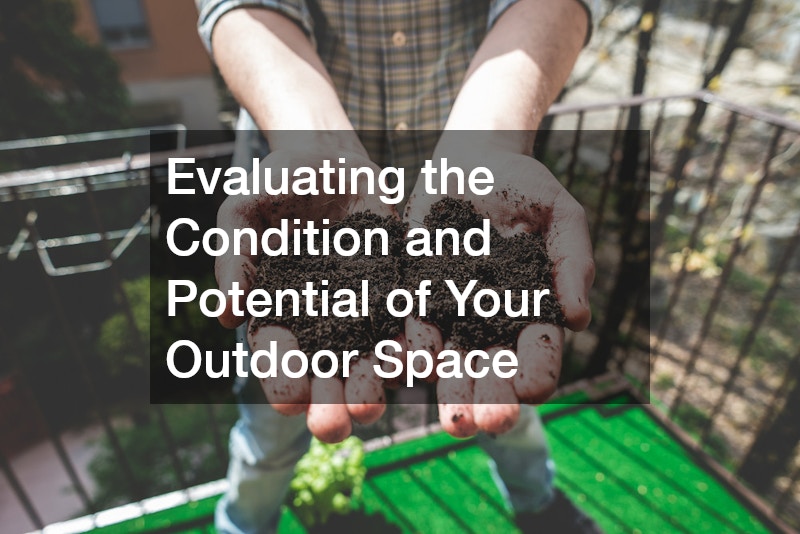
Every successful outdoor project begins with a detailed evaluation of the existing yard. This step sets expectations and reveals both opportunities and challenges that may influence design decisions. Homeowners should start by observing how water moves across the property during rain, noting areas where pooling or erosion occurs. Drainage problems often dictate grading, material choices, and the placement of hardscapes. Sunlight patterns throughout the day are equally important, especially for determining where seating, plantings, or play areas will function best.
Soil quality is another critical factor. Compacted soil, clay-heavy ground, or areas filled with construction debris may require remediation before any surface improvements can be installed. Tree roots, underground utilities, and remnants of old structures should be identified early to avoid complications later. This is also the stage where homeowners consider privacy, noise exposure, and neighboring sightlines, all of which influence layout decisions.
At this point, it helps to think broadly about how the space could support a backyard transformation that aligns with lifestyle needs. Whether the goal is entertaining, gardening, family activities, or quiet relaxation, understanding the yard’s limitations and strengths allows for realistic planning. Taking photos, sketching rough layouts, and documenting problem areas creates a reference that guides future conversations with professionals and keeps the project grounded in practical realities.
Clearing Obstacles and Preparing the Site for Change
Once the yard has been evaluated, the next step is removing obstacles that prevent meaningful progress. Overgrown vegetation, invasive plants, unstable trees, and leftover materials from previous projects can all interfere with construction and design. Clearing the site is not just about aesthetics; it is about safety and accessibility. Removing hazards early ensures that future work can proceed efficiently without delays or unexpected costs.
In many cases, homeowners rely on tree removal services to safely address dead, diseased, or poorly positioned trees that threaten structures or limit usable space. Large trees often have extensive root systems that affect grading and underground installations, making professional removal essential. For properties with ongoing growth issues or storm damage concerns, working with a local tree service provides insight into which trees should remain and which pose long-term risks.
During this phase, debris management becomes critical. Old fencing, broken concrete, soil piles, and organic waste must be removed promptly to keep the site organized. Partnering with a local dumpster rental company simplifies cleanup and prevents clutter from slowing progress. Clearing the yard creates a blank canvas, allowing homeowners to visualize layout options more clearly and take the first tangible step toward meaningful change.

Establishing Boundaries and Privacy Through Structural Planning
Defining the boundaries of the yard is a key step that influences both functionality and visual appeal. Clear edges help organize the space and create a sense of enclosure that makes outdoor areas feel intentional rather than temporary. Boundary planning also addresses privacy concerns, safety, and noise reduction, particularly in densely populated neighborhoods.
Installing permanent structures, such as fencing installation allows homeowners to control sightlines, protect pets and children, and establish a cohesive perimeter. Fence style, height, and material should align with local regulations while complementing the home’s architecture. Beyond fencing, boundary definition may include natural buffers like hedges or grade changes that subtly separate zones within the yard.
This stage supports a backyard transformation by creating structure before surface materials are installed. Knowing where boundaries lie helps determine where patios, walkways, and activity areas can be placed without encroaching on setbacks or neighboring properties. It also provides a framework for future enhancements, ensuring that each addition fits seamlessly into the overall layout rather than feeling like an afterthought.
Addressing Ground Conditions and Structural Foundations
Problem yards often suffer from uneven ground, poor compaction, or leftover concrete and utility remnants that complicate development. Addressing these issues early prevents long-term maintenance problems and structural failures that can emerge months or even years after installation. Ground preparation may involve grading, soil stabilization, or targeted excavation to ensure a level and secure base for future features. This phase often reveals hidden challenges, such as buried debris or inconsistent soil layers, that must be corrected before construction can move forward.
In some cases, projects require concrete drilling to remove or modify existing slabs, footings, or anchors left behind from previous structures. Precision work ensures that utilities remain intact while clearing space for new installations. Proper ground preparation also supports drainage improvements, reducing the risk of water damage to hardscapes and landscaping during heavy rainfall or freeze-thaw cycles.
Laying a stable foundation is essential for achieving a backyard transformation that endures seasonal changes and heavy use. Skipping this step or cutting corners often leads to cracked surfaces, shifting structures, and costly repairs. By investing time and resources into the groundwork, homeowners create a reliable base that supports every enhancement that follows while improving the overall longevity and performance of the outdoor space.
Designing Functional Zones for Everyday Use
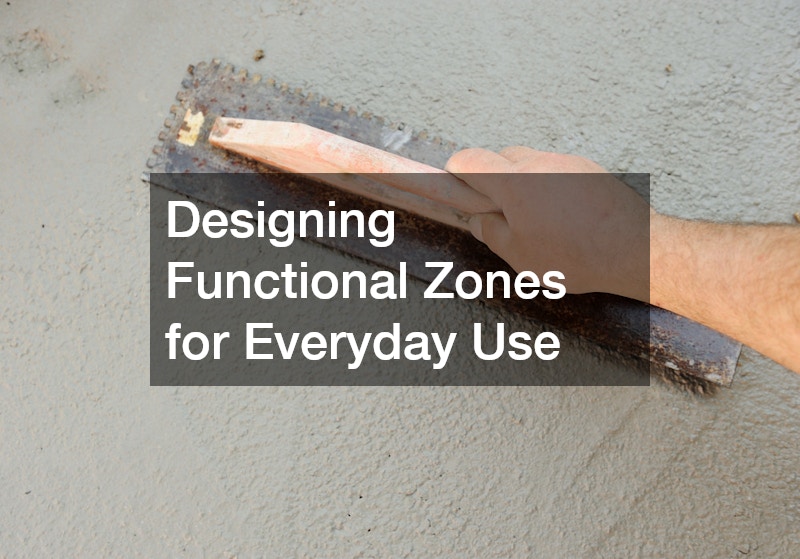
Once the site is prepared, attention turns to how the yard will function daily. Dividing the space into zones allows homeowners to balance aesthetics with practicality. Common zones include dining areas, lounging spaces, play zones, and utility sections for storage or maintenance. Clear zoning improves traffic flow and ensures that activities do not interfere with one another.
Surface choices play a significant role in defining these zones. Features like concrete patio installation create durable gathering areas that anchor the design and connect the yard to the home. Patios provide a stable platform for furniture, outdoor kitchens, or fire features, making them a central element in many layouts. Surrounding areas can transition into softer surfaces or landscaped sections that visually separate functions.
Thoughtful zoning supports a backyard transformation by making the space intuitive to use. When each area has a clear purpose, the yard feels larger and more organized. This approach also simplifies future upgrades, as additional features can be added to specific zones without disrupting the entire layout.
Incorporating Low-Maintenance Surfaces and Green Alternatives
For homeowners seeking a balance between greenery and practicality, surface selection is a major consideration. Traditional lawns can be challenging to maintain, particularly in shaded areas or regions with water restrictions. Inconsistent growth, bare patches, and seasonal wear often require frequent watering, fertilizing, and reseeding. Over time, these maintenance demands can become costly and time-consuming, especially for households with limited schedules or large outdoor areas to manage. As a result, many homeowners begin exploring alternatives that offer visual consistency without the same level of ongoing effort.
One option that continues to gain popularity is artificial turf installation, which offers a durable, visually appealing surface for play areas and open spaces. Turf eliminates issues like muddy patches, uneven growth, and seasonal discoloration, making it suitable for high-traffic zones where natural grass struggles to recover. It also provides a stable surface for pets, children, and outdoor furniture, helping maintain a clean and usable yard year-round. When combined with natural landscaping elements such as stone borders, planting beds, or shaded seating areas, turf blends seamlessly into a cohesive design rather than appearing artificial or out of place.
Low-maintenance surfaces contribute to a backyard transformation by reducing the time and cost associated with ongoing care. Homeowners can focus on enjoying the space rather than constantly maintaining it. Strategic use of durable materials also ensures that the yard remains functional throughout the year, regardless of weather conditions, soil limitations, or changes in household needs.

Coordinating Professional Expertise for Complex Projects
As outdoor projects become more ambitious, coordinating skilled professionals becomes increasingly important. While some tasks can be handled independently, others require specialized knowledge to ensure safety, compliance, and quality results. Working with general contractors helps streamline complex builds by managing timelines, coordinating trades, and addressing unforeseen challenges.
Professional coordination is especially valuable when multiple elements intersect, such as utilities, hardscapes, and structural features. Contractors can anticipate conflicts between installations and resolve them before they cause delays. This oversight reduces stress for homeowners and keeps the project moving forward efficiently, even when unexpected site conditions or scheduling adjustments arise.
Engaging the right expertise supports a backyard transformation by ensuring that each phase aligns with the overall plan. Professional input also helps homeowners make informed decisions about materials, sequencing, and long-term maintenance. Clear communication and oversight throughout the process reduce errors, prevent rework, and contribute to a finished space that feels cohesive, intentional, and built to perform well over time.
Managing Environmental and Wildlife Considerations
Outdoor spaces often interact with local ecosystems, and addressing environmental factors is essential for long-term success. Wildlife activity, invasive species, and natural debris can disrupt even well-designed yards if left unmanaged. Identifying these issues early allows for proactive solutions that protect both the property and the surrounding environment.
In areas where animals pose risks to structures or safety, wildlife removal services may be necessary to humanely address nesting or burrowing problems. Removing animals responsibly prevents damage to lawns, patios, and foundations while maintaining compliance with local regulations. Clearing these issues before construction avoids complications that could halt progress and helps ensure that new features are not compromised shortly after installation.
Environmental planning also includes managing organic materials. Proper storage and use of resources like firewood should be considered to prevent pests and maintain safety. Drainage control, soil stabilization, and routine debris removal further support a healthier outdoor environment. Addressing these details contributes to a backyard transformation that remains functional and resilient, even as seasons change and natural conditions shift over time.
Planning for Long-Term Enjoyment and Adaptability
The final stage of any outdoor project involves thinking beyond immediate results. A well-planned yard should adapt to changing needs, whether that means accommodating growing families, new hobbies, or evolving design preferences. Flexibility can be built into layouts by leaving space for future additions or selecting materials that complement a variety of styles.
Long-term planning ensures that a backyard transformation continues to deliver value over time. Durable materials, thoughtful zoning, and professional installation reduce the likelihood of major repairs or redesigns. Homeowners who invest in adaptability find it easier to refresh the space with minor updates rather than starting from scratch.
Planning for longevity also includes considering how the space will be used across different seasons and stages of life. Shade structures, lighting infrastructure, and utility access can be incorporated early so future enhancements are easier to implement. Storage solutions and multi-purpose areas further support adaptability, allowing the yard to evolve without disrupting its core layout. When long-term use is prioritized, the outdoor space remains practical, comfortable, and visually cohesive for years to come. By approaching the project with a clear sequence and long-term vision, even the most challenging yard can become a versatile outdoor environment. Each decision builds on the last, resulting in a space that feels intentional, usable, and aligned with everyday living.