
Maintaining and improving a home is an ongoing process. Some projects address immediate problems, while others are designed to make a property more comfortable, functional, attractive, or efficient. Knowing which improvements deserve attention first can help homeowners make better use of their time and budget.
Rather than waiting until something breaks, homeowners can take a proactive approach by evaluating major systems, exterior features, living spaces, and storage areas. Smaller improvements can sometimes prevent larger problems, while well-planned upgrades can make everyday activities easier.
Every property has different needs, so there is no universal list of projects that every homeowner should complete. However, several types of improvements can provide practical benefits across a wide range of homes. Evaluating these options can help property owners develop a realistic plan for maintaining and upgrading their space.
Improve Outdoor Shade and Comfort

Outdoor areas can become much more useful when homeowners have protection from direct sunlight and changing weather conditions. A shaded patio, deck, or seating area can provide a comfortable place for meals, gatherings, or quiet relaxation while also helping protect outdoor furnishings.
An awning company can help homeowners determine which type of shade solution works best for the location. Factors such as the size of the area, mounting surface, amount of sunlight, and desired appearance can influence the design. Homeowners should also consider how much maintenance the materials will require.
Before choosing an outdoor shade system, consider:
- The direction and intensity of sunlight
- The amount of coverage needed
- Available mounting locations
- The home’s existing exterior design
- Material durability
- Maintenance requirements
- Whether adjustable or retractable features are desirable
Shade improvements can also complement other outdoor projects. When planned as part of a larger exterior update, they can help create a more cohesive and functional space rather than simply adding a standalone feature.
Address Heating System Problems
A home’s heating system plays an important role in maintaining a comfortable indoor environment. When equipment begins making unusual noises, struggling to maintain temperatures, or shutting down unexpectedly, homeowners should investigate the issue rather than continuing to operate the system without attention.
Furnace repair may be appropriate when a heating system has developed a performance problem but does not necessarily require complete replacement. Professional evaluation can help identify worn components, airflow issues, ignition problems, or other concerns affecting operation.
Homeowners should watch for warning signs such as:
- Uneven temperatures between rooms
- Unusual sounds during operation
- Strange odors
- Frequent cycling
- Unexpected increases in energy use
- Difficulty maintaining the desired temperature
Regular maintenance can also help homeowners identify developing problems earlier. The age and condition of the equipment should be considered when deciding whether continued repairs make sense or whether replacement would be a better long-term investment.
Heating concerns may also reveal other problems within the home. Poor insulation, air leaks, and aging windows can affect indoor comfort and force heating equipment to work harder.
Upgrade the Garage Exterior
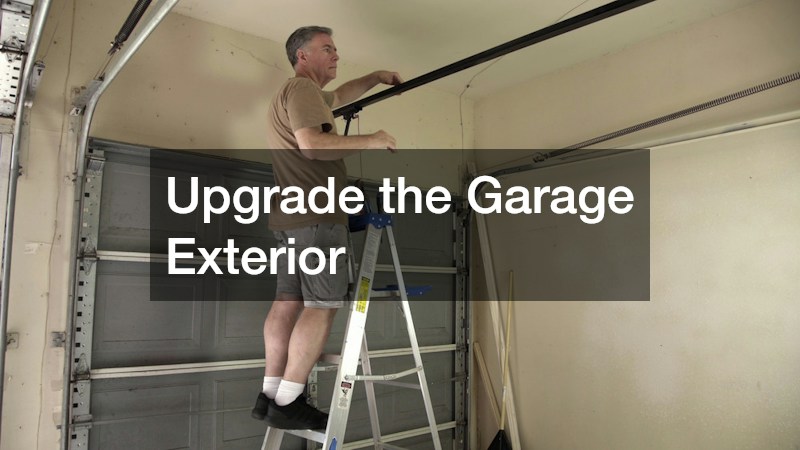
Garages often serve as storage areas, workshops, entrances, and parking spaces, making them an important part of a home’s overall functionality. The condition of the garage exterior can also affect curb appeal, particularly when the garage faces the street.
Modern garage doors are available in numerous materials, designs, and configurations. Homeowners can consider factors such as insulation, durability, appearance, windows, hardware, and operating systems when deciding whether an upgrade makes sense.
A garage door may warrant attention if it is:
- Visibly damaged
- Difficult to open or close
- Excessively noisy
- Showing signs of deterioration
- Poorly insulated
- No longer compatible with the home’s appearance
An exterior upgrade should balance appearance with performance. Homeowners should choose a design that complements the architecture of the house while considering how often the garage is used and what kind of protection it needs from outdoor conditions.
Because the garage can occupy a significant portion of the front elevation, improving it may make a noticeable difference in the overall appearance of the property.
Refresh Interior Floors and Surfaces
Floors receive constant use and can show wear long before other parts of a room need attention. Scratches, stains, moisture exposure, and heavy traffic can gradually make a space look dated or poorly maintained.
Epoxy floors can be an option for areas that require a durable and easy-to-maintain surface. They are often considered for garages, workshops, utility spaces, and other areas where floors may encounter moisture, dirt, or demanding use.
Before selecting a flooring solution, homeowners should evaluate the room’s purpose and existing surface. Proper preparation is important because cracks, contamination, moisture, and other conditions can affect the finished result.
Consider these factors when planning a flooring project:
- Expected traffic
- Existing floor condition
- Moisture exposure
- Cleaning needs
- Desired appearance
- Long-term maintenance
- Installation requirements
A flooring upgrade can also be combined with improvements to storage and organization. For example, making a garage floor easier to clean can make the entire space more practical for vehicle maintenance, hobbies, or household storage.
Deep Clean Frequently Used Rooms
Routine cleaning helps maintain a home, but heavily used surfaces can eventually require more intensive care. Carpeting is particularly susceptible to collecting dirt, dust, stains, and debris that ordinary vacuuming may not completely remove.
A carpet cleaning company can evaluate the condition of carpeting and recommend an appropriate cleaning approach based on the material and type of buildup. Professional cleaning can be especially helpful for high-traffic areas or carpets affected by spills and persistent stains.
Homeowners should consider the condition of carpeting throughout the house rather than focusing only on areas that look visibly dirty. Regular attention can help maintain the appearance of the flooring and contribute to a fresher-feeling interior.
When arranging professional carpet care, homeowners can consider:
- The type of carpet
- High-traffic areas
- Recent spills
- Existing stains
- Manufacturer care instructions
- Furniture that may need to be moved
- Drying requirements
Deep cleaning can be particularly useful before other interior improvements. Clean carpeting can help freshly painted walls, updated furniture, and renovated rooms look more finished.
Replace Aging Windows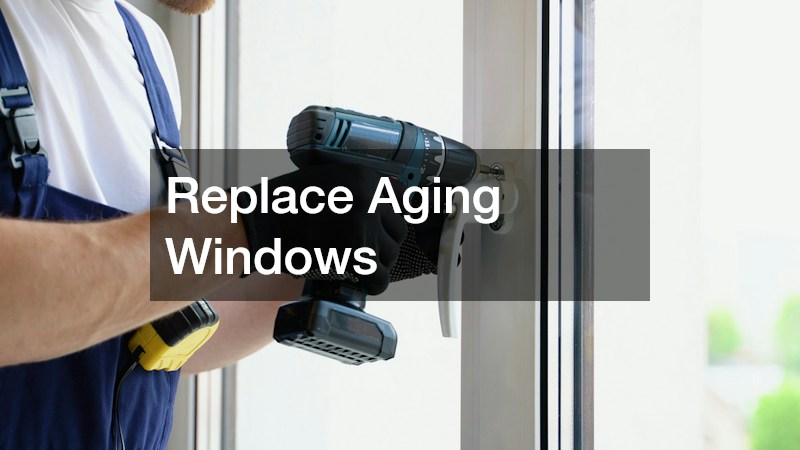
Windows affect natural light, ventilation, appearance, and the overall comfort of a home. Older units may become difficult to operate, develop damaged frames, or allow unwanted drafts and moisture into the house.
Window replacements can address these concerns while giving homeowners an opportunity to update the appearance of their property. The right replacement should be selected based on more than appearance. Frame materials, glass options, operating styles, maintenance requirements, and installation quality can all affect performance.
Homeowners should look for signs that existing windows may need attention, including:
- Drafts around frames
- Difficulty opening or closing
- Damaged glass
- Deteriorating frames
- Moisture between panes
- Noticeable outside noise
- Poor overall condition
Replacing every window at once may not be necessary. Homeowners working with a limited budget can prioritize units with the most significant problems and address other windows later.
Window improvements can also complement heating and cooling upgrades. Reducing drafts and improving the condition of the building envelope can contribute to more consistent indoor temperatures.
Create a Functional Patio Area
An outdoor living area can effectively expand the usable space of a home. A well-designed patio can provide room for dining, entertaining, relaxing, outdoor cooking, or simply enjoying the surrounding property.
A patio contractor can help homeowners determine how to make the best use of the available space. Before construction begins, it is useful to identify how the area will be used and what features are most important.
A successful patio design may include:
- Comfortable seating areas
- Dining space
- Walkways
- Lighting
- Shade
- Privacy features
- Landscaping
- Outdoor cooking areas
Drainage should also be considered during planning. Water should be directed away from the home and managed appropriately so that the new surface does not create problems for the house or surrounding property.
The patio should also complement the existing home. Selecting materials and design elements that coordinate with the architecture can make the addition feel like a natural extension of the property.
Add Useful Property Storage
Storage requirements often grow as homeowners accumulate tools, equipment, seasonal decorations, recreational items, and other belongings. When existing storage areas become overcrowded, adding a separate structure can provide valuable space without requiring a major interior renovation.
A pole barn can serve a variety of purposes depending on its design and location. It may provide space for equipment, vehicles, tools, workshops, or general storage. Some property owners may also use an outbuilding to keep large items that would otherwise occupy valuable garage space.
Planning should begin with a clear understanding of what the structure needs to accommodate. Consider:
- The types of items being stored
- Required vehicle access
- Available property space
- Door dimensions
- Interior clearance
- Lighting needs
- Electrical requirements
- Ventilation
- Future storage needs
Local regulations should also be reviewed before construction. Setbacks, permits, drainage requirements, property restrictions, and placement rules can influence the project’s design.
A dedicated storage structure can help reduce clutter throughout the home while giving homeowners easier access to equipment and belongings.
Protect the Roof and Exterior

The roof is one of the home’s primary defenses against rain, wind, and other weather conditions. Because roofing problems can allow moisture into the structure, homeowners should address visible concerns before they become larger sources of damage.
A roofing contractor can inspect areas that may be difficult or unsafe for homeowners to evaluate themselves. Professional assessments can identify damaged materials, compromised flashing, drainage problems, and other concerns that may not be obvious from ground level.
Homeowners should watch for:
- Missing or damaged roofing materials
- Water stains indoors
- Damaged flashing
- Persistent leaks
- Deterioration around roof edges
- Accumulated debris
- Areas where water collects
Roof inspections can be particularly useful following severe weather. Identifying damage early may make it possible to address a limited problem before water reaches insulation, drywall, framing, or other interior components.
When replacement eventually becomes necessary, homeowners should compare materials based on durability, appearance, maintenance, climate, and expected longevity rather than focusing solely on the initial cost.
Improve Garage Entry and Operation
The garage is often one of the most frequently used entry points into a home. When its operating system becomes unreliable, the inconvenience can quickly become part of the daily routine.
Garage door installations can provide an opportunity to improve both appearance and functionality. Homeowners can consider the door’s material, insulation, design, hardware, opener, safety features, and weather sealing when planning the project.
The installation should account for the existing opening and the home’s specific requirements. Homeowners should also evaluate the entire operating system instead of focusing only on the visible door.
Important components may include:
- Door panels
- Tracks
- Springs
- Rollers
- Openers
- Safety sensors
- Weather seals
- Remote controls
A professionally installed system should operate smoothly and safely. Because garage doors are heavy and move repeatedly, proper alignment and installation are important for reliable operation.
Homeowners who use the garage as their primary entrance may find that improving this area has an especially noticeable effect on everyday convenience.
Prioritize Projects According to Need
Once homeowners have identified potential improvements, the next challenge is deciding what should happen first. Trying to complete every project at the same time can create unnecessary financial and logistical pressure.
A practical priority system can help organize improvements:
- Address urgent problems first: Leaks, structural concerns, heating failures, and safety issues generally deserve immediate attention.
- Plan preventive maintenance: Routine inspections and maintenance can help protect major systems.
- Improve comfort: Heating, cooling, insulation, windows, and outdoor shade can affect daily living.
- Increase functionality: Storage, flooring, garages, and outdoor spaces can make a property easier to use.
- Update appearance: Exterior and interior improvements can refresh the property’s overall look.
- Plan larger replacements: Major projects should be scheduled around budget, timing, and the property’s long-term needs.
Homeowners should establish a realistic budget before beginning work. The total cost may include materials, labor, permits, site preparation, disposal, repairs discovered during construction, and future maintenance.
It can also be helpful to keep records of completed work. Installation dates, materials, warranties, inspections, and repair information can make future maintenance easier to manage.
Home improvement is most effective when it is approached as an ongoing investment rather than a collection of unrelated projects. Maintaining major systems, improving frequently used spaces, addressing damage promptly, and planning functional upgrades can all contribute to a property that is more comfortable and practical.
The best projects will vary according to the home’s age, condition, layout, location, and the homeowner’s priorities. By evaluating each area carefully and establishing a sensible order of priorities, homeowners can make improvements without taking on more than their budget or schedule allows.
Whether a project involves maintenance, renovation, storage, comfort, or appearance, thoughtful planning can help ensure that each improvement contributes to the property’s long-term usefulness and value.