
Embarking on an exterior home renovation is an exhilarating milestone for any homeowner. Whether you are looking to increase property value, improve energy efficiency, or simply refresh a tired aesthetic, the transformation of your home’s shell is a significant undertaking. However, beneath the surface of new colors and textures lies a complex web of logistical challenges and physical risks. Many homeowners focus so intently on the final result that they overlook the critical safety protocols required to get there without incident. A successful remodel is not defined solely by the beauty of the finished product, but by the security of the process itself.
Assess the Structural Risks Hidden Beneath Old Surfaces

One of the most dangerous mistakes a homeowner can make is assuming that what they cannot see cannot hurt them. Homes built several decades ago often utilized materials that were standard at the time but are now known to be significant health hazards. When these materials are disturbed during a demolition phase, they release particles into the air that can linger for weeks, posing a risk to anyone on the property.
Before the first board is pried loose, it is vital to perform a comprehensive survey of the existing facade. If your residence dates back to the mid-20th century, you must prioritize asbestos abatement to ensure that any hazardous fibers are professionally contained and removed. Attempting to remove old insulation, shingles, or siding that contains these minerals without specialized equipment is a recipe for long-term health complications and potential legal liabilities.
Once the safety of the site is confirmed, the focus shifts to the quality of the labor performing the installation. A common blunder is hiring general handymen for tasks that require specific engineering knowledge. You should exclusively vet and hire reputable siding companies that demonstrate a clear understanding of moisture barriers and structural flashing. These specialists ensure that your new exterior is not just a cosmetic layer, but a functional shield that protects the interior framing from rot and mold.
To ensure you are choosing the right partners, consider the following checklist during the vetting process:
- Verify that the contractor holds a current state license and specialized certifications.
- Request proof of comprehensive liability insurance to protect against property damage.
- Check for workers’ compensation coverage to ensure you are not liable for on-site injuries.
- Ask for a detailed safety plan that outlines how they manage falling debris and tool security.
- Review past projects to see how they handled structural discoveries during demolition.
Maintain a Clean and Navigable Perimeter
A remodel site is inherently chaotic, but that chaos must be strictly managed to prevent accidents. As old materials are stripped away, the volume of waste can grow exponentially in just a few hours. When debris is allowed to pile up around the base of the home, it creates a “minefield” of hidden nails, jagged metal, and unstable footing.
To maintain a professional and safe environment, the logistics of waste removal must be established before the project starts. You should arrange for the delivery of a roll-off dumpster and place it in a location that is easily accessible for workers but far enough from the house to allow for clear walkways. Having a designated vessel for heavy waste prevents the accumulation of piles that could attract pests or cause tripping hazards for your family and the crew.
While the large items go into the bin, the smaller, more insidious waste requires a different level of attention. It is a blunder to assume that a quick sweep at the end of the project is sufficient. Incorporating a daily or weekly construction waste cleanup routine is essential for capturing micro-debris like glass shards or metal shavings. Professional cleaning ensures that your lawn and driveway remain safe for vehicles and pets long after the contractors have gone home for the day.
Effective site management involves several moving parts:
- Designate “no-go” zones for family members and pets using brightly colored safety tape.
- Ensure all power tools are unplugged and stored in a locked container at the end of each shift.
- Use magnetic sweepers to collect stray nails from the grass and gravel areas.
- Keep the area around the waste container clear to allow for easy pick-up and drop-off.
- Lighting the perimeter of the work zone at night can prevent neighbors or passersby from wandering into a hazard.
Shield Your Interiors During Structural Changes

Homeowners often forget that exterior work has a direct impact on the interior environment. When windows are removed or walls are opened, the seal of your home is broken. This allows dust, noise, and UV radiation to flood into your living spaces, potentially damaging your belongings and disrupting your quality of life.
During the planning phase, it is wise to consult with a professional window treatment company to discuss how to protect your interior assets. They can offer solutions for temporary coverings that shield your furniture from the fine masonry dust generated during the removal of old brick or siding. Protecting your investment inside the house is just as important as the upgrades happening on the outside.
If your project involves keeping existing glass while working on the surrounding frames, you may want to consider residential window tinting as a protective measure. This film can help hold glass together in the event of an accidental strike from a tool or piece of debris, while also preventing interior fading caused by the increased light exposure that occurs when exterior awnings are removed. It adds a layer of safety and efficiency that benefits the home long after the renovation is complete.
Interior protection strategies should include:
- Covering electronics and soft furniture with heavy-duty plastic sheeting.
- Using low-tack painter’s tape to seal interior doors leading to the work zone.
- Temporarily removing wall hangings that could fall due to the vibration of heavy machinery.
- Setting up air scrubbers or high-quality HEPA filters to manage airborne particulates.
- Coordinating with installers to ensure that any temporary openings are boarded up securely overnight.
Coordinate Site Logistics and Traffic Flow
A major exterior overhaul often involves multiple crews and delivery vehicles arriving simultaneously, which can lead to hazardous congestion on your property. Failing to manage the flow of traffic is a common blunder that results in damaged landscaping, blocked emergency access, or accidental collisions. Establishing a clear hierarchy of where vehicles can park and where materials can be staged is vital for maintaining a safe and organized work zone throughout the day.
Early in the project, you should designate a specific area for the delivery of oversized items to avoid blocking the main thoroughfare of your street or driveway. This is particularly important when you are expecting a delivery from a window treatment company, as large glass units and delicate frames require ample space for unloading without the risk of being struck by moving machinery. Keeping these high-value items in a low-traffic “safe zone” prevents both breakage and physical injury to the workers handling the installation.
The staging of materials also impacts how safely the crew can move around the perimeter of your home. If you are planning to install window shutters, ensure they are stored flat and in a dry, protected area where they won’t be tripped over or knocked down by heavy winds. Proper staging ensures that when the time comes for installation, the crew can access the necessary components quickly and safely, reducing the time they spend navigating a cluttered job site with heavy loads.
To keep the site moving efficiently and safely, implement these logistical rules:
- Create a dedicated “delivery window” for large supplies to minimize the number of trucks on-site at once.
- Use traffic cones to mark off a clear path for pedestrians to enter and exit the home.
- Ensure that no vehicles are parked in a way that blocks access to fire hydrants or utility shut-off valves.
- Provide a stable, level surface for the storage of heavy materials like bundles of shingles or siding.
- Keep a clear line of sight for operators of heavy machinery by removing low-hanging branches or temporary obstacles.
Prepare for Sudden Environmental Shifts

Nature is notoriously unpredictable, and a sudden shift in weather can turn an open-air remodel into a disaster. One of the most significant blunders is the failure to have a “dry-in” plan. If a storm hits while your roof or walls are exposed, the resulting water damage can compromise your insulation, electrical systems, and drywall in a matter of minutes.
To mitigate this risk, you must have an agreement with local tarp services to provide emergency coverage. These professionals use weighted and reinforced tarps that can withstand high winds, providing a much higher level of protection than the thin plastic sheets found at hardware stores. Having these experts on standby ensures that your home remains dry even if the project is interrupted by a week of rain.
Water management is not just an overhead concern; it is also a ground-level priority. When the soil around your foundation is disturbed or the grading is changed, your home becomes vulnerable to seepage. Engaging a flood control service during the renovation can help you manage groundwater and prevent basement flooding. They can install temporary drainage solutions or advise on how to protect the foundation while the permanent landscaping is in transition.
Key weatherproofing steps include:
- Monitoring local weather stations hourly during the demolition phase.
- Ensuring all gutters and downspouts are temporarily diverted away from open trenches.
- Stockpiling sandbags if the remodel involves significant changes to the yard’s slope.
- Securing loose materials like plywood or shingles that could become projectiles in high winds.
- Checking the integrity of temporary seals after every rain event to catch leaks early.
Use Precision Tools for Heavy Alterations
When a remodel involves structural changes, such as adding a new door or expanding a window, the methods used to alter the building materials matter immensely. Many DIY enthusiasts or budget contractors use sledgehammers to break through stone or concrete, but this “brute force” approach can send vibrations through the entire frame, leading to cracks in the foundation or interior plaster.
The safest way to handle masonry modifications is to hire a local concrete cutting service. These technicians use diamond-tipped saws that create surgically precise openings without the chaotic vibration of impact tools. This precision protects the structural integrity of the surrounding wall and produces a clean edge that makes the installation of new features much more efficient.
Finally, consider the long-term safety and security of the finished project. When you are updating the facade, it is the perfect time to integrate functional window shutters into the design. These are not merely decorative; when properly installed, they provide a physical barrier against flying debris during high-wind events. Choosing high-quality, operable versions ensures that your home is prepared for future storms while adding a classic architectural element to your curb appeal.
Best practices for structural modifications:
- Always have underground utility lines marked before any digging or heavy cutting begins.
- Use water-cooled saws to minimize the amount of silica dust released into the air.
- Ensure all new structural headers are inspected by a building official before they are covered.
- Verify that all exterior fixtures are anchored into the framing, not just the decorative siding.
- Maintain a clear buffer zone around any heavy machinery to prevent accidents involving bystanders.
Executing a Secure Vision
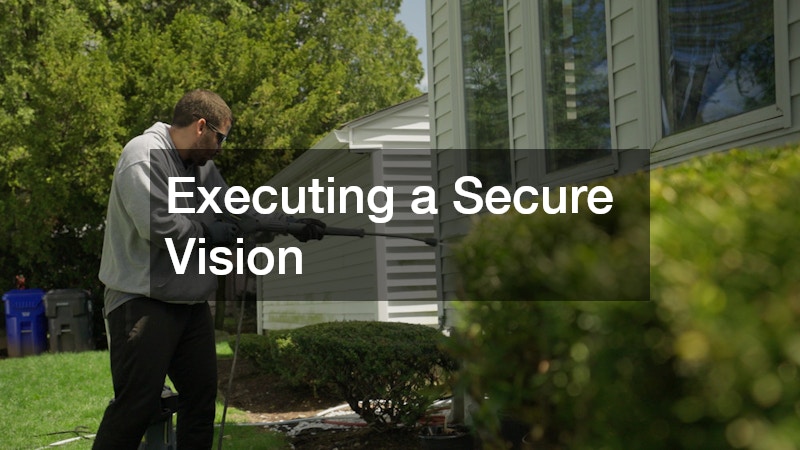
A successful exterior remodel is the result of meticulous planning and a deep respect for the hazards involved in construction. By focusing on professional waste management, environmental protection, and precision labor, you move beyond the surface level of renovation and into the realm of true home improvement. Safety is not a hurdle to be cleared, but a foundational element that supports the entire weight of your project.
When you take the time to eliminate common blunders, you are doing more than just preventing accidents; you are ensuring that the investment you make today will stand the test of time. A home that is remodeled with a focus on security is a home that offers lasting comfort and value. As you watch your house transform, you can take pride in knowing that the process was handled with the highest standards of care, protecting both your property and the people who call it home. Through strategic coordination and the right professional help, your renovation journey can be a smooth path to a beautiful and secure future.