A roof inspection is one of the most useful ways to understand the condition of a home’s roofing system before a visible problem turns into a larger repair. From the ground, a roof may appear to be in good shape, but many important components are difficult for homeowners to see. Small cracks, deteriorated flashing, loose materials, drainage problems, and early signs of moisture intrusion can develop without producing an obvious leak inside the house.
Professional roof inspections look at more than the surface materials. Roofing systems include shingles or other coverings, flashing, vents, penetrations, drainage components, decking, and ventilation features that all need to work together. Problems with one component can eventually affect surrounding materials.
Inspections can be particularly valuable after severe weather, when purchasing a home, when a roof is getting older, or when unexplained moisture appears indoors. They can also be useful as part of routine home maintenance. Identifying a small problem early may provide an opportunity for a targeted repair instead of waiting until moisture reaches other parts of the structure.
Understanding what roofers are checking can help homeowners make better sense of inspection findings. Here are some of the major areas professionals may evaluate when examining a residential roofing system.
Missing, Cracked, or Damaged Shingles
The visible roofing material is one of the first areas examined during an inspection. On asphalt shingle roofs, professionals look for shingles that are missing, cracked, curled, loose, torn, or otherwise deteriorated. They may also examine whether shingles remain properly positioned and secured.
Damage can develop for many reasons. Strong winds can lift or remove shingles, falling branches can create localized damage, and years of exposure to sunlight and temperature changes can gradually affect roofing materials.
Depending on the extent of the problem, roof repair may be sufficient to address a limited number of damaged shingles. More widespread deterioration may indicate that the roofing system requires more extensive attention.
Roofers can also look for patterns. A few damaged shingles concentrated around one location may point toward an isolated event, while similar deterioration across large portions of the roof can suggest age or general wear.
Homeowners should avoid climbing onto the roof to perform their own close inspection. Professionals have appropriate equipment and experience for evaluating roofing surfaces while reducing unnecessary safety risks.
Leaks and Signs of Moisture Damage
Leaks are among the most important problems roofers investigate because water can travel beyond the original entry point. A ceiling stain does not necessarily sit directly underneath the place where water entered the roofing system.
Professional local roofers may examine the roof and accessible interior areas for clues such as water stains, damp materials, discoloration, deterioration, or other evidence of moisture. If attic access is available, conditions beneath the roof can provide valuable information.
Roofers may pay particular attention to valleys, roof transitions, penetrations, flashing, and other locations where water needs to be carefully managed. They can also examine areas corresponding with interior stains.
Moisture does not always mean that a roof leak is responsible. Plumbing, condensation, ventilation problems, and other sources can sometimes produce similar symptoms. Identifying the actual cause is therefore important before repairs begin.
Repeated moisture in the same location deserves attention even if the amount of water appears minor. Slow leaks can continue affecting materials over time, potentially increasing the amount of work required once the source is finally corrected.
Flashing Around Chimneys, Vents, and Roof Openings
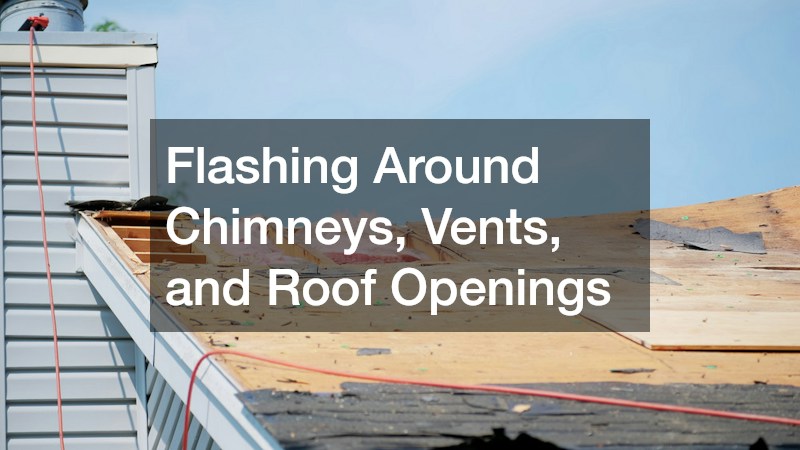
Any place where the roof meets another structure or contains an opening requires careful water management. Flashing is commonly used around chimneys, walls, vents, skylights, and other transitions to direct water away from vulnerable joints.
A professional roofing company may inspect flashing for corrosion, movement, gaps, improper installation, deterioration, or damaged sealants. These areas can become potential leak points even when the surrounding shingles remain in relatively good condition.
Chimneys deserve particular attention because they create multiple transitions between vertical and sloped surfaces. Water needs to be directed around these intersections without finding a path underneath roofing materials.
Roofers may also examine whether previous repairs have altered flashing or relied excessively on temporary sealants. Simply covering a problem area with additional material does not necessarily provide a durable solution.
Because flashing problems can be relatively small compared with the overall size of the roof, they may not be visible from the ground. A professional inspection can identify these localized weaknesses before they begin causing noticeable interior damage.
Sagging and Other Structural Problems
Roofers are not only checking individual shingles. They are also looking at the overall shape and condition of the roof. A roofline that dips, sags, or appears uneven may indicate a problem involving materials beneath the visible surface.
A professional roofer can examine suspicious areas and determine whether further structural evaluation is appropriate. Possible concerns can involve roof decking, framing, moisture damage, excessive loads, or deterioration that has developed over time.
Some roof surfaces naturally have minor variations, so homeowners should not assume that every uneven-looking area indicates a serious structural problem. The significance depends on the design of the house and the underlying cause.
During an inspection, roofers may look for soft or compromised areas where appropriate and evaluate visible conditions from the exterior and attic. Structural concerns require careful investigation because simply replacing surface roofing materials may not correct the underlying issue.
If significant sagging is visible from the ground, homeowners should avoid walking on the affected area. A professional assessment can help determine what is causing the change and what type of repair may be necessary.
Gutters, Downspouts, and Roof Drainage

A roofing system needs a reliable way to move rainwater away from the structure. Gutters and downspouts therefore play an important supporting role, and their condition may be considered during a roof inspection.
A local roofing contractor may look for clogged gutters, loose sections, improper slopes, damaged connections, leaks, or downspouts that fail to move water appropriately. Water spilling over the edges can affect fascia, siding, landscaping, and areas near the foundation.
Gutters can also provide clues about roofing materials. For example, an unusual accumulation of asphalt shingle granules may be worth noting when evaluating the overall condition of an aging roof.
Roofers may examine roof valleys and other areas where substantial amounts of water are concentrated during rainfall. Debris accumulation in these locations can interfere with drainage and hold moisture against roofing materials.
Downspout discharge deserves attention as well. Moving water off the roof is only part of the process; it should also be directed appropriately once it reaches ground level. Effective drainage helps the roofing and exterior systems work together.
Previously Repaired or Damaged Areas
A previous repair does not automatically mean an area remains problematic. However, locations with a known history of leaks or damage deserve additional attention during an inspection.
Professionals providing roof repair services may look for patched shingles, replaced flashing, sealants, mismatched materials, or other evidence of previous work. They can evaluate whether those repairs appear to be holding up and whether nearby materials show signs of continuing deterioration.
Homeowners can help by providing documentation when available. Invoices, photographs, inspection reports, warranty information, and descriptions of previous leaks can give the roofer useful context.
Repeated repairs in the same area may indicate that the original source was never fully corrected. Alternatively, a properly completed repair may continue performing normally for years.
Inspecting previous work is especially useful when evaluating an older roof. If repairs are becoming increasingly common across different areas, the inspection can help homeowners understand whether isolated maintenance remains practical or whether broader deterioration is developing throughout the roofing system.
Seals Around Vents, Pipes, and Other Roof Penetrations
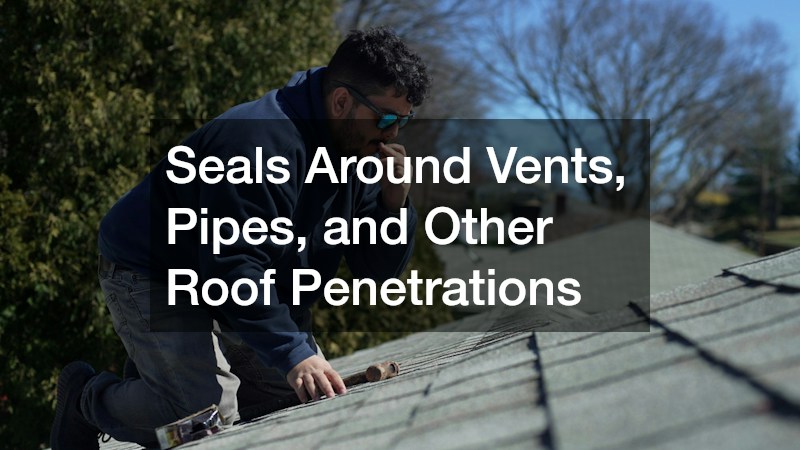
Roofs often contain numerous penetrations for plumbing vents, exhaust systems, mechanical equipment, and other household components. Every penetration creates an area where roofing materials must form an effective barrier against water.
Professional local roofing contractors can inspect boots, seals, flashing, and surrounding roofing materials for cracking, deterioration, movement, or gaps. Rubber and sealant materials can change over time as they remain exposed to sunlight and weather.
Even a small opening around a penetration can allow water to enter. Because these components occupy relatively little space on a large roof, homeowners may not notice deterioration from the ground.
Inspectors may also evaluate whether a penetration was installed correctly and whether modifications have been made since the original roofing work. New equipment added to a home can sometimes require changes to the roof that need proper flashing and sealing.
Maintaining these areas can be an important part of preventing leaks. When deterioration is localized, addressing the affected penetration may be considerably simpler than waiting for water to damage surrounding roofing and interior materials.
Storm, Wind, and Hail Damage
Severe weather can affect roofing materials in ways that are not always obvious immediately afterward. Wind may lift or loosen shingles, hail can create impact damage, and falling debris can crack or puncture materials.
Professionals providing local roof repair can inspect areas affected by recent storms and determine whether visible changes represent functional damage. They may look for missing materials, lifted edges, impact marks, damaged flashing, punctures, or debris-related problems.
Storm damage can be highly localized. One side of a roof may experience more exposure than another depending on wind direction, surrounding buildings, and trees. A complete inspection can therefore be more informative than checking only the most visible section.
Homeowners can document obvious damage from safe ground-level locations after severe weather. Photographs of fallen branches, displaced materials, or other changes may be useful when keeping maintenance records or addressing an insurance claim.
Not every storm means a roof needs replacement. An inspection helps establish the actual extent of the damage so repairs can be based on observed conditions rather than assumptions.
The Age and Overall Condition of Roofing Materials
An inspection also considers the roof as a complete system rather than treating every imperfection independently. The age of roofing materials can provide important context when evaluating individual problems.
Professional roofing contractors may ask when the roof was installed and review available information about previous repairs or replacements. Different materials have different expected service lives, while installation quality, ventilation, climate, and maintenance can affect actual longevity.
Inspectors may look for widespread cracking, curling, discoloration, granule loss, exposed areas, deteriorated flashing, and other signs that materials are aging. The pattern and extent of deterioration can be more significant than one isolated defect.
An older roof is not automatically a failed roof. Some roofing systems remain functional longer than others depending on their condition and environment. Likewise, a relatively young roof can still develop problems because of storm damage or installation issues.
Evaluating age alongside physical condition gives homeowners a clearer understanding of whether repairs are addressing occasional problems or becoming part of a broader pattern of deterioration that may eventually justify replacement.
Attic Ventilation, Moisture, and Insulation
The condition beneath the roof can provide information that is impossible to gather by looking only at exterior materials. When accessible, the attic may be evaluated for moisture, ventilation concerns, and other conditions related to roof performance.
Roofers may look for stains, damp decking, condensation, mold-like growth, deteriorated materials, or visible openings. Ventilation is also important because heat and moisture can accumulate when an attic does not have appropriate airflow.
The condition of insulation may provide additional clues. Professional insulation companies can address insulation-specific concerns when existing material is inadequate, damaged, or affected by moisture. Roofing and insulation serve different purposes, but conditions in one area can influence the performance of the other.
Homeowners should understand that attic moisture does not automatically prove that rain is leaking through the roof. Indoor humidity, air leakage, ventilation problems, and other factors can contribute to condensation.
A thorough inspection considers these possibilities before recommending a solution. Looking at both sides of the roofing system can provide a more complete picture of how well the roof and attic are managing weather, heat, and moisture.
A professional roof inspection involves much more than looking for a few missing shingles. Roofers evaluate numerous components that work together to protect the home, from surface materials and flashing to penetrations, drainage, structural conditions, and accessible attic areas.
Each finding provides a piece of information about the roof’s overall condition. Damaged shingles may indicate localized weather exposure, while recurring leaks could suggest a more persistent weakness. Deteriorated flashing and seals can create vulnerable points around openings, and gutter problems may interfere with proper drainage. The attic can reveal moisture or ventilation concerns that are difficult to identify from outside.
The relationship between these findings is particularly important. One minor problem on an otherwise healthy roof may require only targeted maintenance. Multiple problems occurring across an older roofing system can indicate more widespread deterioration. Previous repairs, storm history, and the age of materials provide additional context for deciding what should happen next.
Homeowners can make inspections more useful by keeping records of previous roofing work and communicating any concerns they have noticed inside or outside the house. Information about leaks, storm damage, unusual sounds, or past repairs can help professionals focus on areas with a known history.
Regular inspections cannot prevent every roofing problem, but they can provide homeowners with better information about the condition of a system that is otherwise difficult to observe closely. Identifying deterioration before it results in significant interior damage can make it easier to plan appropriate repairs, budget for future work, and understand when a larger roofing project may eventually be necessary.