
A home’s exterior is an interconnected ecosystem rather than a collection of separate projects. When you view a property from the street, your eye does not merely register the front door or the color of the grass in isolation. Instead, it processes a continuous visual narrative that flows from the peak of the roofline down to the front entryway, across the driveway, along the perimeter boundaries, and into the surrounding greenery.
Too often, homeowners undertake property improvements in piecemeal fashion. A roof replacement happens one year, new siding is added three years later, and landscaping is updated in fits and starts whenever inspiration strikes. This disjointed approach frequently results in clashing undertones, conflicting architectural styles, and a fragmented overall appearance that detracts from a home’s true value.
Achieving high-end, harmonious curb appeal requires a holistic roadmap. By coordinating your roof, wall cladding, hardscaping, boundaries, and plant life, you create a seamless visual balance that elevated individual upgrades can never achieve alone. Designing a fully synchronized property transformation starts from the top down.
Choose Shingle Colors That Anchor Your Home’s Color Palette
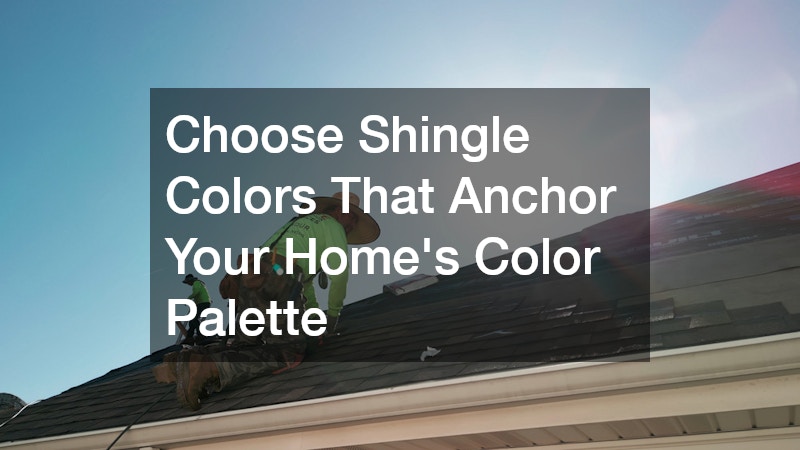
Choosing the right roofing material and shade is not just a matter of picking a popular shingle; it requires analyzing the architectural style of your house and the surrounding climate. Modern architectural shingles, standing seam metal panels, and synthetic slate options each carry distinct visual weights and lines that must align with your home’s structural era.
When choosing colors, pay close attention to undertones:
- Cool Gray and Black Roofs: Pair seamlessly with crisp white cladding, charcoal trim, slate blue walls, and modern cool-toned stone veneers.
- Warm Brown and Earth-Toned Roofs: Complement warm beige, olive green, taupe, off-white, and natural red-brick facades.
- Mixed Multi-Tone Shingles: Work exceptionally well on traditional or Craftsman homes, offering accent hues that can be picked up later in window shutters or porch columns.
- Architectural Roof Profiles: Utilize high-definition dimensional shingles or standing seam panels to create shadow lines that enhance roof depth and elevation texture.
Beyond color, long-term durability and proper installation are critical to maintaining structural lines. Partnering with experienced roofing contractors ensures that material choice accounts for roof pitch, local weather patterns, and structural weight limits while establishing a pristine visual crown for your home.
Address Structural Wear and Water Shedding Integrity
A beautiful color palette means little if sagging lines, missing granules, or compromised flashing distract from the home’s profile. Structural defects in the roof do not just threaten the interior; they create uneven shadow lines, dark water stains, and ragged edges that instantly ruin curb appeal.
To ensure your roofline looks immaculate and functions perfectly, inspect the following key areas:
- Drip Edges and Fascia Boards: Ensure clean, straight lines along the eaves without rotting wood or bent metal drip edges.
- Roof Valleys and Flashing: Check for crisp transitions where different roof planes meet, eliminating unsightly sealant globs or rusted metal.
- Gutter Systems: Upgrade to seamless gutters color-matched to the trim or roof, preventing saggy, leaking channels from breaking the horizontal roofline.
Addressing small issues before they snowball is essential for preserving exterior beauty. Taking care of timely roof repairs stops water from migrating behind siding, prevents costly cosmetic stains on newly painted trim, and maintains the crisp, geometric lines essential to a polished exterior profile.
Choose Cladding Materials and Textures That Balance the Roof Profile
Vertical and horizontal siding profiles drastically alter how a home’s proportions are perceived. A low-slung ranch house can be made to look taller using vertical board-and-batten cladding, while a tall, narrow two-story home benefits from horizontal lap siding that grounds its height.
When coordinating wall cladding with your roof, consider the play of textures:
- Heavy Roof Materials (Tile or Heavy-Profile Shake): Pair best with substantial siding options like stone accents, thick wood lap, or deep-embossed horizontal profiles to maintain visual balance.
- Sleek Roof Materials (Standing Seam Metal or Flat Slate): Excel when combined with clean, smooth-panel wall transitions, narrower siding profiles, or modern mixed-material facades.
- Low-Maintenance Longevity: Choose modern composite or engineered vinyl materials engineered to resist fading, chalking, and warping under harsh sunlight.
- Horizontal and Vertical Accent Zones: Blend vertical board-and-batten accents within gable peaks while keeping horizontal lap siding across main lower wall spans.
Precise execution during a high-quality vinyl siding installation guarantees that trim pieces, J-channels, and corner posts frame the home cleanly without unsightly gaps, aligning perfectly with the soffit and fascia lines constructed at the roof level.
Apply the 60-30-10 Color Rule to Exterior Architecture
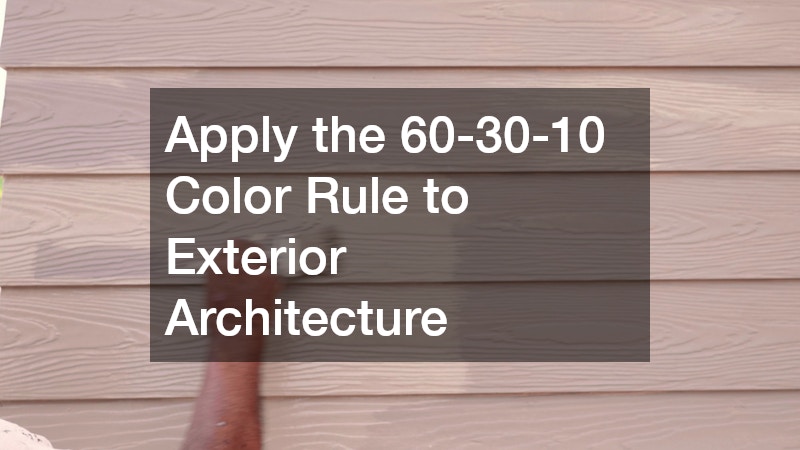
Color harmony relies on disciplined ratios. Applying the classic interior design 60-30-10 rule to your home’s exterior ensures that your visual palette remains balanced rather than chaotic or monotonous.
Distribute your exterior colors using this structured balance:
- 60 Percent (Dominant Color): Reserved for the main body of the house, including siding or primary masonry. This should be a versatile neutral or classic architectural tone.
- 30 Percent (Secondary Color): Assigned to the roof, garage doors, and primary trim. This color provides contrast and grounds the main body color.
- 10 Percent (Accent Color): Applied to the front door, window shutters, decorative gables, or light fixtures. This is where rich, high-contrast colors create an inviting focal point.
Achieving a flawless distribution requires meticulous surface preparation, sharp paint lines, and uniform coverage. Enlisting a skilled exterior painting company guarantees that wood, stucco, or metal surfaces are correctly primed, masked, and coated with weather-resistant finishes that retain their richness for years without peeling or chalking.
Modernize Ground Surfaces to Mirror Architectural Angles
Flat, cracked, or stained concrete surfaces pull the eye downward for all the wrong reasons. Upgrading flatwork provides an opportunity to echo the structural geometry and color temperature established by your roof and siding choices.
Consider these hardscaping design techniques to build visual continuity:
- Stamped and Textured Finishes: Match slate or cobble concrete stamping patterns with the geometric pattern of architectural roof shingles.
- Color-Toned Concrete Blends: Add subtle integral pigments or chemical stains to concrete surfaces so they reflect the warm or cool undertones of the main house color.
- Integrated Drainage Solutions: Install discreet trench drains or subterranean runoff channels to carry roof water safely away from foundations without disrupting smooth walkway surfaces.
- Permeable Hardscape Materials: Integrate permeable interlocking pavers in high-runoff zones to absorb rainwater naturally while maintaining structured geometric grid lines.
Working with experienced concrete contractors ensures that all flatwork includes appropriate control joints, correct load-bearing reinforcement, and precise pitch for water drainage, preventing future cracking and shifting that ruins ground-level symmetry.
Create a Defined, Welcoming Approach for Vehicles and Foot Traffic
The driveway and main entry path serve as the primary visual runways leading observers toward your home. A narrow, crumbling, or poorly defined driveway visually constricts the property, while a wide, well-framed approach amplifies the home’s scale and prestige.
Incorporate these upgrades to elevate your property’s entry approach:
- Decorative Paver Borders: Frame asphalt or concrete driveways with cobblestone, granite, or contrasting concrete paver ribbons that match the secondary accent color of your house trim.
- Wider Entry Walkways: Expand front walkways to a minimum width of four feet, allowing two people to walk side-by-side toward the front door comfortably.
- Unified Material Transitions: Ensure that stepping stones, front porch steps, and driveway aprons utilize a consistent material palette, avoiding a patchwork of conflicting stones or bricks.
Consulting a specialized local driveway contractor allows you to choose surface treatments that withstand regional freeze-thaw cycles and heavy vehicle weights while customizing the apron and border aesthetics to match your newly updated roof and siding scheme.
Match Perimeter Styles with Architectural Era and Roof Pitch
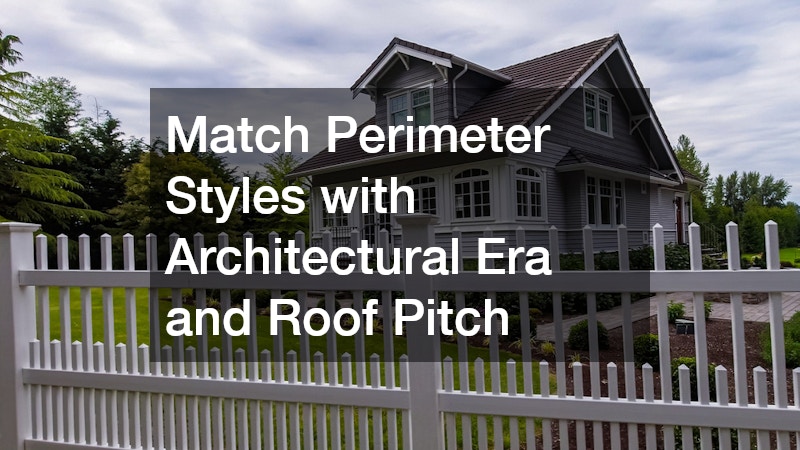
A common design mistake is choosing a fence style in isolation without considering the home’s architectural lines. A modern minimalist home looks disconnected behind a rustic split-rail fence, just as a historic Victorian home feels diminished by plain chain-link enclosure.
Match your fencing choices to your home’s structural character using these pairings:
- Modern and Mid-Century Homes: Opt for horizontal wood or composite slat fencing with clean, linear gaps that echo flat or low-pitch rooflines.
- Colonial, Craftsman, and Cape Cod Homes: Choose traditional vertical pickets, dog-ear privacy panels, or classic post-and-rail designs featuring detailed post caps.
- Transitional and Industrial Styles: Combine black aluminum or steel picket panels with natural warm wood or stone pillars to echo dark metal roof accents and dark-trimmed windows.
- Mediterranean and Tuscan Homes: Pair wrought iron fencing or decorative metal grilles with stucco-covered masonry pillars that reflect the home’s earth-toned roof tiles.
Hiring a reliable fencing contractor guarantees that property lines are accurately surveyed, posts are sunk below local frost lines in concrete, and panel elevations step or rack gracefully along natural slopes rather than looking jagged.
Align Hardware, Post Caps, and Stain Finishes with Main Trim
The details on perimeter structures often determine whether a fence feels like an integrated extension of the home or an afterthought. Small hardware choices create micro-connections that tie distant boundaries back to the main house.
Focus on these detailed finishing touches for boundaries:
- Hardware Coordination: Match gate latches, hinges, handles, and drop rods with the finish of your front door hardware, outdoor light sconces, and roof flashing metals (e.g., matte black, brushed nickel, or oil-rubbed bronze).
- Stain and Paint Harmony: Stain wooden fences in a shade that complements your roof shingle color, or paint vinyl and composite surfaces to match the secondary trim shade of your house cladding.
- Architectural Post Caps: Install decorative metal, wood, or solar-powered light caps on fence posts that repeat the geometry of your home’s roof gables or porch lanterns.
Leveraging specialized local fence services ensures you gain access to high-grade, rot-resistant materials treated for your regional humidity and weather conditions, while ensuring all installations comply fully with municipal codes and neighborhood HOA design rules.
Deep-Clean Existing Surfaces Before Layering New Enhancements
Before planting new garden beds or putting final touches on your exterior design, existing surfaces must be stripped of years of environmental buildup. Mold, green algae, dirt, oxidation, and atmospheric soot can severely dull the true colors of your roofing, siding, and hardscapes, making new additions look mismatched against dirty backgrounds.
Implement a systematic deep-cleaning regimen across all exterior materials:
- Roof Restorations: Use low-pressure soft wash techniques with specialized organic chemical cleaners to lift black streaking (Gloeocapsa magma algae) without stripping protective granules off shingles.
- Vertical Wall Cleansing: Wash vinyl, painted wood, or masonry siding to remove chalking, spider webs, and air pollution residue before evaluating paint touch-ups.
- Flatwork Rejuvenation: Utilize surface-cleaning attachments on flat concrete, stone walkways, and brick pavers to strip oil stains, ground-in mud, and weed growth from paver joints.
- Deck and Porch Surface Stripping: Clean wooden decking and composite porch floors using eco-friendly brighteners to restore true natural wood tones prior to applying fresh sealant.
Scheduling comprehensive pressure washing services revitalizes tired surfaces safely, restoring their original vibrancy and ensuring that old and new structural components blend together seamlessly across the property.
Layer Plant Heights and Foliage Colors to Soften Rooflines

Landscaping serves as the visual glue connecting your home to the earth. Without thoughtful plantings, a house can appear stark and heavy. By layering plant heights, textures, and foliage hues, you can guide the viewer’s eye smoothly from the turf up to the roofline, creating a natural frame for your architectural updates.
Design your softscaping using these layering principles:
- Tiered Foundation Beds: Plant tall evergreen background shrubs near house corners to soften hard structural edges, mid-sized flowering bushes in the center, and low cascading groundcovers along walkway borders.
- Foliage and Flower Color Palette: Choose plant species whose foliage or bloom colors intentionally contrast with your siding and match your accent colors (e.g., chartreuse hostas against dark charcoal siding, or deep purple physical plum trees against warm cream walls).
- Vertical Framing Trees: Position medium-to-large specimen trees at property corners to frame the home from the street, drawing the eye upward and echoing the natural height of the roof gables.
Partnering with an experienced landscaping company allows you to construct balanced bed layouts, implement automated micro-irrigation systems, and choose plant species that thrive in your climate zone while maintaining visual structure across all four seasons.
Creating true curb appeal is an exercise in intentional orchestration. Rather than viewing individual projects like roof maintenance, siding replacement, concrete work, fencing, and garden planting as separate tasks, seeing them as components of a unified architectural canvas completely transforms the final outcome.
Start your home update journey by assessing your property from a distance. Identify high-priority functional repairs—particularly overhead water protection and structural integrity—and use those core elements to establish your master color scheme and design style. From there, carry those colors, textures, and lines down through your wall cladding, across your driveway and walkways, along your property lines, and into your surrounding plant life.
When every element of your property speaks the same visual language, your home stands out effortlessly. A harmonized exterior not only boosts property value and structural longevity but also delivers a deep sense of pride every single time you turn into your driveway.