A Stronger Roof Starts With Smarter Planning
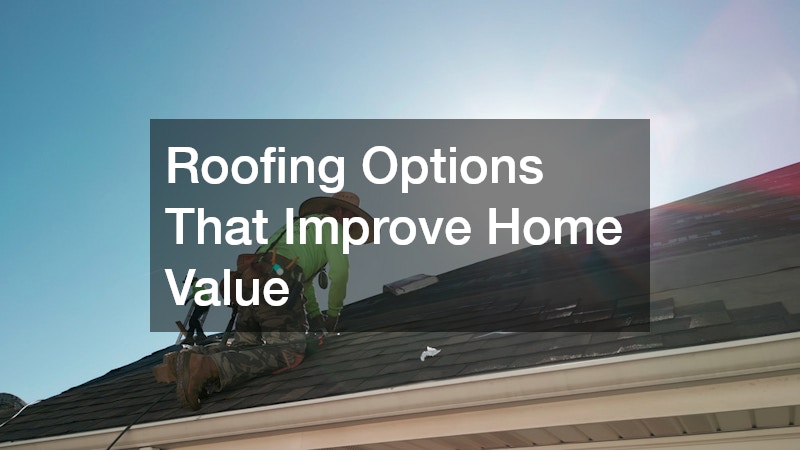
A roof does more than protect a house from rain, wind, heat, and snow. It also plays a major role in curb appeal, energy efficiency, resale value, and long-term maintenance costs. When buyers look at a home, the roof is one of the first features they notice from the street. A clean, well-maintained, and durable roof can make a property feel newer, safer, and better cared for.
For homeowners, choosing the right roof is not just about appearance. It is also about performance. A roof should match the home’s architecture, hold up well in the local climate, and fit the homeowner’s budget for installation and maintenance. Some options are more affordable upfront, while others may cost more initially but last longer and require fewer repairs over time.
A smart roofing decision begins with understanding your goals. Are you planning to sell soon? Are you improving a long-term home? Do you want better storm resistance, lower energy bills, or a more modern look? The right answer depends on your budget, climate, home style, and future plans. By comparing materials, maintenance needs, installation quality, and related upgrades, you can choose an option that protects your property while improving its overall value.
Know What Buyers Notice First
When buyers evaluate a home, they often look for signs that the property has been well maintained. The roof is a major part of that impression. Stains, missing pieces, sagging areas, uneven surfaces, or visible damage can raise concerns before buyers even step inside. A roof that looks solid and attractive, on the other hand, can immediately improve confidence in the home.
Buyers also care about lifespan. If the roof appears near the end of its service life, they may worry about future costs and use that concern during negotiations. Even if the rest of the home is updated, an aging roof can make the property feel like a risk. That is why investing in the right improvements before listing a home can help support a stronger asking price.
A professional inspection can help homeowners understand the current condition of the roof and decide whether repairs, maintenance, or replacement make the most sense. Working with an experienced roofing contractor can also help identify which upgrades provide the best return based on the home’s age, style, and local market expectations. The goal is not always to install the most expensive option. The goal is to make a smart improvement that reassures buyers and strengthens the home’s overall appeal.
Compare Popular Choices Before Committing
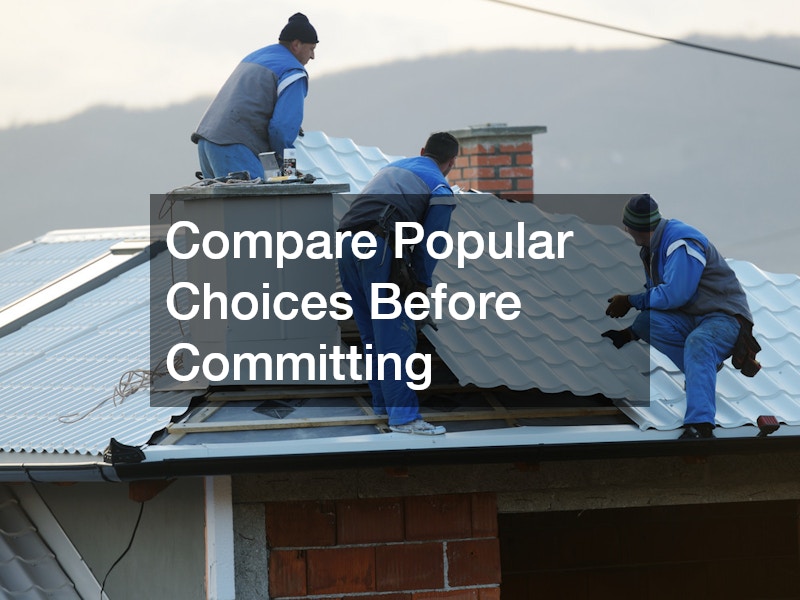
There are many roof types available, and each one offers different benefits. Some are chosen for affordability, while others are selected for appearance, durability, energy performance, or low maintenance. Before making a decision, homeowners should compare how each option performs in their specific climate and neighborhood.
One of the most common residential options is shingles. They are widely used because they are versatile, available in many colors and styles, and generally more affordable than some premium systems. They can work well for many home styles and are often familiar to buyers, which makes them a practical choice for homeowners who want a reliable update without overcomplicating the project.
However, price should not be the only factor. The best roofing material for one home may not be the best for another. Homeowners should consider expected lifespan, wind resistance, fire ratings, maintenance requirements, warranty coverage, and how the product will look with the home’s exterior. Choosing a material that fits both the house and the local environment can help protect value over time.
Focus on Quality Installation
Even the best product can fail early if it is installed poorly. Installation quality affects how well the roof handles water, wind, ventilation, flashing, and temperature changes. A roof is a system, not just a surface. If underlayment, flashing, ventilation, fasteners, and drainage details are not handled correctly, the home may experience leaks, premature wear, or structural damage.
Before hiring anyone, homeowners should request written estimates and compare them carefully. The estimate should explain the scope of work, materials, warranty coverage, cleanup, disposal, and timeline. It should also clarify whether old layers will be removed, whether damaged decking will be replaced, and how unexpected problems will be handled if they are discovered during the project.
Professional roofing services can help homeowners avoid mistakes that lead to expensive repairs later. A qualified team should understand local building codes, proper installation methods, and manufacturer requirements. This matters because some warranties may be affected if the roof is not installed according to specific standards. Choosing quality workmanship may cost more upfront, but it can protect the investment and increase buyer confidence when it is time to sell.
Protect the Roof With Better Drainage
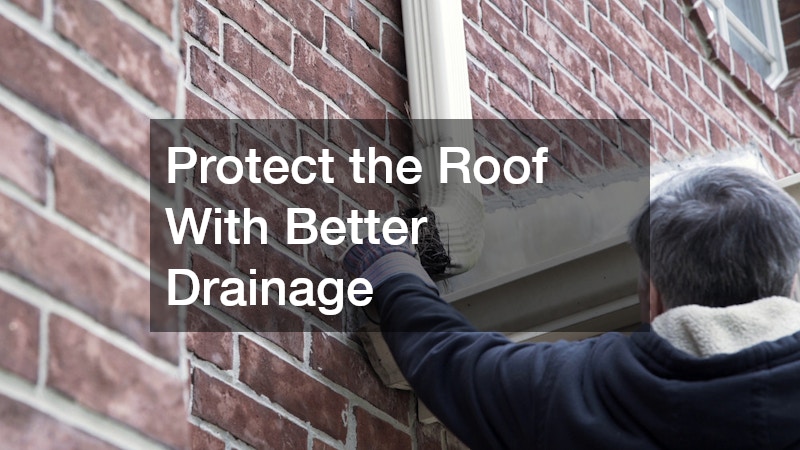
A valuable roof needs effective drainage. Water that does not move away from the home properly can damage the roof edge, fascia, siding, foundation, landscaping, and interior walls. Even a newer roof can develop problems if water is allowed to overflow, pool, or back up under vulnerable areas.
Gutters and downspouts help direct water safely away from the structure. When they are loose, leaking, sagging, or poorly pitched, they can allow water to spill where it should not. Timely gutter repair can help prevent moisture damage and protect the roof system from unnecessary wear. Small fixes, such as sealing joints, reattaching sections, or correcting slope, can make a major difference in how well water is controlled.
Homeowners should inspect drainage systems regularly, especially after storms or heavy seasonal debris. Warning signs include overflowing water, soil erosion near the foundation, stains on siding, damp basements, or water marks under the roof edge. Addressing these issues early can prevent larger structural concerns and help maintain the home’s value.
Keep Maintenance Simple and Consistent
Routine maintenance is one of the most cost-effective ways to protect a roof investment. Many expensive problems begin as small issues that go unnoticed. A missing fastener, clogged downspout, lifted edge, loose flashing, or minor leak can become much worse over time if ignored.
Homeowners should schedule visual checks at least twice a year and after major weather events. From the ground, look for uneven areas, debris buildup, dark streaks, missing pieces, damaged flashing, and signs of animal activity. Inside the home, check ceilings and attic areas for water stains, musty odors, or damp insulation.
A professional gutter cleaning service can also help prevent water from backing up during rainstorms. Leaves, branches, seed pods, and dirt can block drainage and force water to overflow near sensitive roof areas. Keeping the system clean helps reduce strain on the roof and protects nearby surfaces. Consistent upkeep may not feel as exciting as a major upgrade, but it can extend the life of the roof and preserve home value.
Think About Energy Efficiency

Energy performance is becoming increasingly important to homeowners and buyers. A roof can influence indoor comfort, cooling costs, ventilation, and long-term efficiency. In warm climates, reflective surfaces and proper attic ventilation can help reduce heat buildup. In colder regions, insulation and moisture control are especially important.
Some homeowners also think ahead to renewable energy upgrades. If home solar panels may be added in the future, roof condition and design should be considered before installation. A roof that is old or nearing replacement may need to be updated first, since removing and reinstalling panels later can add extra cost. The roof’s slope, orientation, shade exposure, and structural condition can all affect solar planning.
Energy-efficient improvements can make a home more attractive to buyers who care about monthly utility costs and sustainability. Even without adding solar, homeowners can improve performance through proper ventilation, lighter color options, insulation improvements, and products designed to reflect heat. These upgrades can make the home more comfortable while supporting long-term value.
Understand Coverage Before Problems Happen
Many homeowners do not review their policies until after damage occurs. That can create confusion during an already stressful situation. Understanding coverage before a storm, leak, or major repair need arises can help homeowners make better decisions and keep better records.
Home insurance may cover certain types of sudden damage, such as wind, hail, or falling objects, depending on the policy. However, it often does not cover problems caused by neglect, age, poor maintenance, or normal wear and tear. That distinction matters. If a roof has been poorly maintained for years, a claim may be more difficult to support.
Documentation is valuable. Homeowners should keep inspection reports, repair invoices, photos, warranty information, and maintenance records. These records can help show that the property has been cared for properly. They can also be useful during resale because buyers appreciate proof of responsible ownership. Before starting a major roof upgrade, it may be helpful to contact the insurance provider to ask how different materials, impact ratings, or updates could affect coverage or premiums.
Repair Small Problems Before They Spread
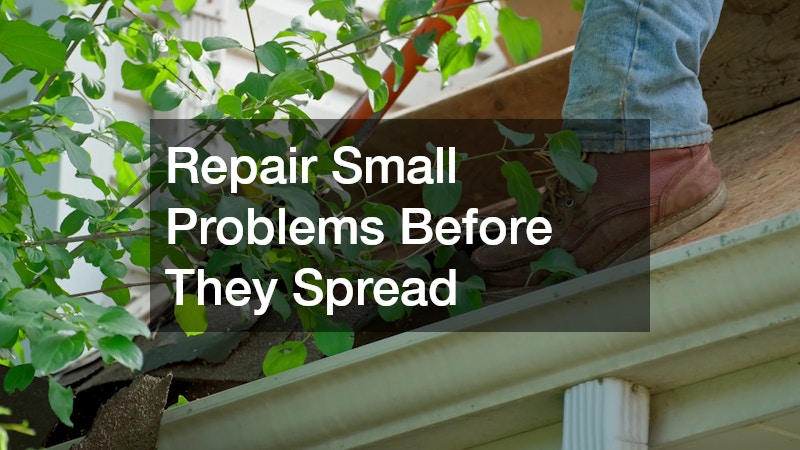
Roof problems rarely improve on their own. A small leak can damage insulation, drywall, framing, flooring, and electrical systems if left unresolved. Missing or damaged roof components can expose the home to moisture, pests, and structural deterioration. The sooner a problem is addressed, the easier and less expensive it is usually to fix.
Homeowners should pay attention to signs such as ceiling stains, peeling paint, moldy smells, granules in gutters, loose flashing, damaged vents, or damp attic areas. These symptoms may indicate that water is entering or that the roof system is weakening. Even if the issue seems minor, an inspection can help determine whether a simple repair is enough or whether a larger solution is needed.
Roof-related home repair should be treated as a priority because it protects the structure underneath. Delaying repairs can lower property value and create issues that buyers may discover during an inspection. Taking care of problems quickly shows that the home has been maintained and helps prevent one damaged area from affecting other parts of the property.
Consider Premium Systems for Long-Term Value
Some homeowners want a roof that offers a longer lifespan, distinctive appearance, or stronger resistance to harsh weather. Premium systems can cost more upfront, but they may provide better long-term value depending on the home, location, and ownership goals. These options may be especially attractive in areas where durability and low maintenance are major selling points.
Metal roofing, for example, is often valued for longevity, weather resistance, and energy efficiency. It can also provide a clean, modern look or complement certain traditional home styles. Because installation details are different from standard systems, homeowners may want to work with experienced metal roofers who understand the correct techniques, fasteners, flashing, and ventilation requirements.
Premium does not always mean best for every home. The choice should make sense for the neighborhood, architecture, climate, and expected return. In some markets, a high-end system may help a property stand out. In others, a simpler option may provide better resale value. Homeowners should compare total ownership costs, not just installation prices, before deciding.
Build a Long-Term Improvement Strategy
A roof should be part of a larger home maintenance plan. Instead of waiting for emergencies, homeowners can save money and protect value by planning upgrades, inspections, and repairs in advance. This approach also makes budgeting easier because major expenses are less likely to come as a surprise.
Start by creating a roof file that includes installation dates, product information, warranties, inspection notes, repair receipts, and photos. Then add reminders for seasonal maintenance. Spring is a good time to check for winter damage, while fall is a good time to clear debris before colder weather. After severe storms, homeowners should look for visible damage and schedule professional help if something seems wrong.
A long-term plan should also account for related systems such as attic ventilation, insulation, drainage, and exterior maintenance. These parts work together to protect the home. By keeping the entire system in good condition, homeowners can extend the life of the roof and reduce the risk of expensive problems.
Make Every Roofing Decision Count
A strong roof can improve more than curb appeal. It can help protect the structure, reduce maintenance concerns, support energy efficiency, and make a home more attractive to future buyers. The right choice depends on balancing appearance, durability, installation quality, maintenance, and long-term cost.
Homeowners should avoid making decisions based only on the lowest price or the most expensive product. Value comes from choosing the option that fits the home, performs well in the local climate, and supports the owner’s goals. A properly installed and well-maintained roof can give buyers confidence and help the entire property feel more dependable.
By planning carefully, addressing problems early, and investing where it matters most, homeowners can turn a roof improvement into a smart long-term decision. Whether the goal is to sell soon or enjoy the home for years, a thoughtful roof upgrade can protect both the property and the value built into it.