A well-maintained plumbing system is one of the most important parts of a safe and functional home. Yet, it’s often overlooked until something goes wrong—like a burst pipe, overflowing drain, or sudden loss of hot water. These issues can quickly escalate into expensive repairs, property damage, and major disruptions to daily life.
The good news is that most plumbing problems don’t happen overnight. They build up over time, often giving subtle warning signs before turning into emergencies. By adopting a proactive approach and following a few practical maintenance strategies, homeowners can significantly reduce the risk of costly breakdowns. This guide walks you through actionable steps to keep your plumbing system in excellent condition and avoid major repairs.
Schedule Regular Professional Inspections
Routine inspections are one of the most effective ways to prevent plumbing issues before they become serious. Hiring a trusted plumbing company ensures that your entire system is evaluated by trained professionals who know what to look for. These experts don’t just check visible fixtures—they evaluate your entire plumbing network, including hidden pipes, joints, and connections that could be slowly deteriorating behind the scenes.
During an inspection, technicians assess water pressure, look for corrosion, and identify early signs of leaks or blockages. One of the most valuable tools they use is a plumbing camera inspection, which allows them to view the inside of pipes without invasive work. This is especially helpful for detecting buildup, cracks, or root intrusion in underground lines that would otherwise go unnoticed until a major issue arises.
For homeowners, scheduling inspections annually is a smart baseline, but older homes or properties with a history of plumbing issues may benefit from more frequent evaluations. Regular inspections also provide documentation of your system’s condition, which can be helpful for resale or insurance purposes. Ultimately, investing in preventative inspections helps you stay ahead of problems, reduce repair costs, and maintain a more reliable plumbing system year-round.
Fix Small Leaks Before They Become Major Problems
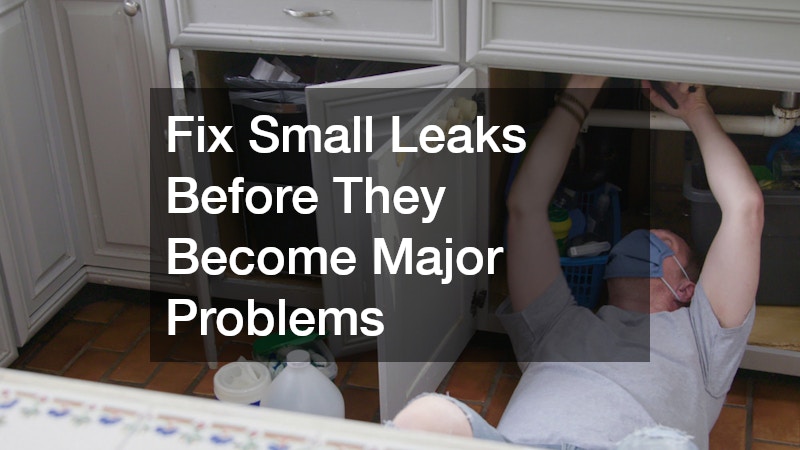
Small leaks often seem harmless, but they can quietly cause significant damage over time if left unaddressed. A slow drip from a faucet or a minor pipe leak under a sink may not seem urgent, but these issues can lead to water damage, mold growth, and even structural weakening. Prompt leak repair is one of the simplest and most effective ways to prevent costly home repairs.
Hidden leaks are particularly dangerous because they can go undetected for long periods. Look for warning signs such as water stains on walls or ceilings, peeling paint, musty odors, or unexplained increases in your water bill. Even a small leak can waste hundreds of gallons of water each year, adding unnecessary costs while damaging your home.
When it comes to plumbing repair, it’s important to know your limits. While tightening a loose fitting or replacing a worn washer may be manageable for a homeowner, more complex issues—such as pipe corrosion or leaks behind walls—should be handled by professionals. Addressing these problems early ensures they don’t escalate into major repairs like drywall replacement or flooring damage.
Taking a proactive approach to leaks not only protects your home but also conserves water and reduces utility costs. Regularly checking for leaks and fixing them promptly is a small habit that delivers big long-term benefits.
Keep Drains Clear with Consistent Maintenance
Clogged drains are a common household issue, but they are largely preventable with consistent maintenance and mindful habits. Regular drain cleaning helps ensure that water flows freely through your pipes, reducing the risk of backups and unpleasant odors. By incorporating simple preventative steps into your routine, you can avoid the inconvenience and expense of severe clogs.
Start by being cautious about what you allow down your drains. In the kitchen, avoid disposing of grease, oil, and food scraps in the sink, as these substances can solidify and create stubborn blockages. In bathrooms, use drain covers to catch hair and soap residue before they accumulate in pipes. Flushing drains with hot water weekly can also help break down minor buildup before it becomes a problem.
For more persistent issues, professional local sewer services can provide deep cleaning and inspection of your plumbing system. These experts use specialized tools to remove debris and ensure that your main sewer lines remain clear and functional. This is especially important if you notice slow drainage in multiple areas of your home, which may indicate a larger blockage.
Consistent maintenance not only prevents clogs but also extends the lifespan of your plumbing system. By staying proactive, you can avoid emergency situations and keep your home running smoothly.
Know the Early Warning Signs of Plumbing Emergencies
Recognizing the early warning signs of plumbing issues can help you avoid sudden and costly emergencies. Many problems develop gradually, giving you an opportunity to address them before they escalate into situations requiring emergency plumbing services. Being aware of these signs allows you to take action quickly and minimize potential damage.
Common warning signs include a sudden drop in water pressure, unusual noises such as banging or gurgling pipes, and water that appears discolored or has a strange odor. These symptoms often indicate underlying issues such as blockages, leaks, or pipe damage that need immediate attention.
Another red flag is water pooling around fixtures or in unexpected areas, which may signal a hidden leak or pipe failure. Ignoring these signs can lead to more severe problems, including flooding or extensive property damage.
It’s also important to have a plan in place for emergencies. Know the location of your main water shut-off valve and ensure that all household members understand how to use it. Acting quickly in a plumbing emergency can significantly reduce the extent of damage and repair costs.
By staying alert and addressing issues early, you can avoid stressful situations and keep your plumbing system functioning reliably.
Maintain Your Sewer Line to Prevent Costly Damage
Your sewer line is a critical component of your home’s plumbing system, responsible for carrying waste safely away from your property. When issues arise, they can quickly become messy, disruptive, and expensive. Preventative care is essential to avoid the need for extensive sewer line repair.
One of the most common causes of sewer line problems is tree root intrusion. Roots naturally seek out moisture and can infiltrate small cracks in pipes, eventually causing blockages or breaks. Other causes include grease buildup, debris accumulation, and aging pipes that have become weakened over time.
Signs of sewer line trouble include slow drains throughout the home, gurgling noises, foul odors, and unusually lush patches of grass in your yard. These indicators should not be ignored, as they often signal a developing issue that requires prompt attention.
Preventative measures include regular inspections, mindful disposal habits, and avoiding flushing non-degradable items. Professional services can also help identify and address minor issues before they escalate into major repairs.
By maintaining your sewer line and addressing problems early, you can avoid costly disruptions and ensure that your plumbing system continues to function efficiently.
Upgrade Aging Pipes Before They Fail
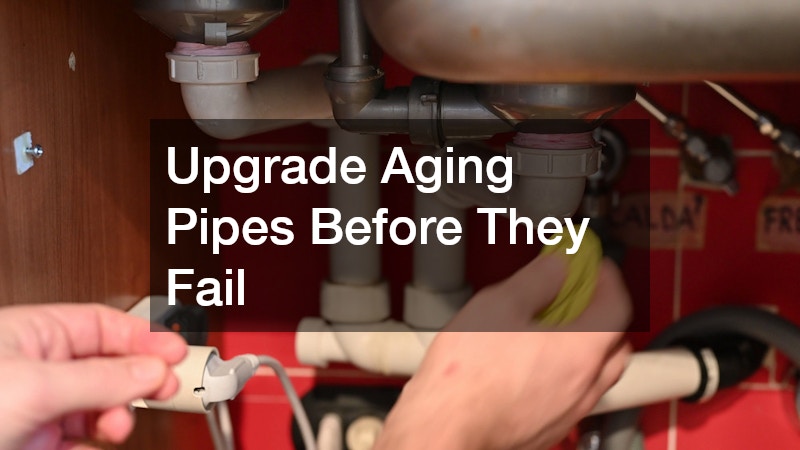
As homes age, so do their plumbing systems. Older pipes made from outdated materials are more susceptible to corrosion, leaks, and sudden failure. Investing in a repiping service before problems occur is a proactive way to protect your home and avoid unexpected repairs.
Common signs that your pipes may need replacement include discolored water, frequent leaks, reduced water pressure, and visible corrosion. Older materials such as galvanized steel or polybutylene are particularly prone to deterioration and may not meet modern standards.
Upgrading to newer materials like PEX or copper offers several advantages, including improved durability, better water flow, and resistance to corrosion. While repiping can seem like a significant investment, it often proves more cost-effective than repeatedly repairing failing pipes.
Planning a repiping project in advance allows you to choose the timing and scope of the work, minimizing disruption to your daily life. It also gives you the opportunity to improve the overall efficiency of your plumbing system.
Taking a proactive approach to pipe replacement ensures long-term reliability and reduces the risk of unexpected failures that can cause extensive damage.
Maintain Your Water Heater for Efficiency and Longevity
Your water heater plays a vital role in your daily comfort, providing hot water for bathing, cleaning, and cooking. Regular maintenance and professional water heater services are essential to keep it operating efficiently and to prevent unexpected breakdowns.
One of the most important maintenance tasks is flushing the tank to remove sediment buildup. Over time, minerals in the water can accumulate at the bottom of the tank, reducing efficiency and causing the unit to work harder. This can lead to higher energy bills and a shorter lifespan for the heater.
Other maintenance steps include checking the temperature setting, inspecting the anode rod, and ensuring that all components are functioning properly. Addressing minor issues early can prevent more serious problems, such as leaks or complete system failure.
Pay attention to warning signs like inconsistent water temperature, unusual noises, or rusty water. These indicators often signal that your water heater needs attention.
By maintaining your water heater regularly, you can extend its lifespan, improve energy efficiency, and ensure a reliable supply of hot water for your home.
Build a Preventative Maintenance Routine
Establishing a consistent maintenance routine is one of the most effective ways to keep your plumbing system in top condition. Working with a trusted plumbing company allows you to schedule regular checkups and stay ahead of potential issues.
In addition to professional services, homeowners can adopt simple monthly habits to maintain their systems. Checking for leaks, inspecting exposed pipes, and monitoring water usage are all easy steps that can prevent larger problems. Scheduling periodic visits from local sewer services ensures that your main lines remain clear and functional.
Keeping a maintenance log can also be helpful. Recording inspections, repairs, and upgrades provides valuable insight into the condition of your plumbing system over time. This information can guide future decisions and help you prioritize preventative measures.
By combining professional support with consistent at-home maintenance, you create a comprehensive approach that reduces the likelihood of unexpected repairs and keeps your plumbing system running smoothly.
Protect Your Home with Smart Plumbing Habits

Everyday habits have a significant impact on the health of your plumbing system. By making small changes in how you use your fixtures, you can reduce the need for frequent drain cleaning and minimize the risk of leaks.
Avoid pouring grease or food waste down the drain, and be cautious about what you flush in the bathroom. Using strainers and disposing of waste properly can prevent buildup and blockages. Monitoring water pressure is also important, as excessive pressure can strain pipes and lead to leaks that require leak repair.
Installing water leak detection devices adds an extra layer of protection. These systems alert you to potential issues early, allowing you to address them before they cause significant damage.
Educating everyone in your household about proper plumbing practices ensures that your efforts are consistent. By adopting smart habits, you can extend the lifespan of your plumbing system and reduce the likelihood of costly repairs.
Invest in Long-Term Plumbing System Health
Taking a long-term approach to plumbing maintenance helps you avoid unexpected breakdowns and costly repairs. Regular plumbing repair and preventative care work together to keep your system functioning efficiently and reliably.
Instead of waiting for problems to arise, evaluate the overall condition of your plumbing system and identify areas that may need improvement. Upgrading components, addressing minor issues, and staying proactive can significantly reduce the need for emergency plumbing services.
Creating a long-term plan allows you to budget for maintenance and upgrades, making it easier to manage costs over time. This approach also provides peace of mind, knowing that your plumbing system is well-maintained and less likely to fail.
By investing in the health of your plumbing system, you protect your home, improve efficiency, and ensure that your daily routines remain uninterrupted.
Take Control of Your Plumbing Before Problems Start
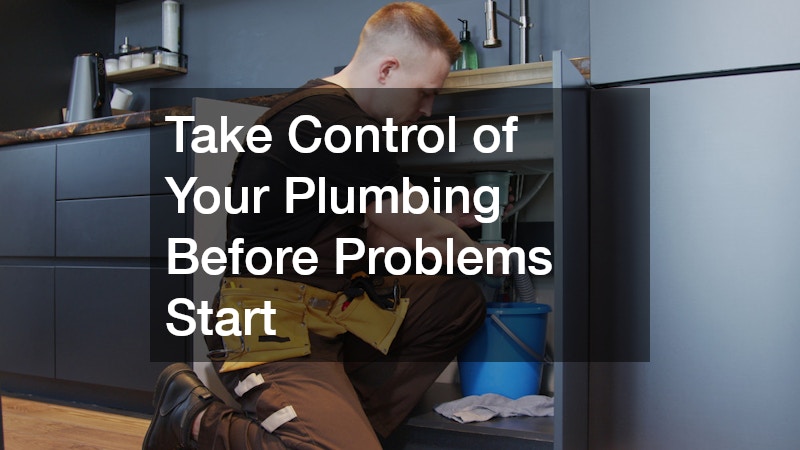
Preventative plumbing care is one of the smartest investments a homeowner can make. By staying proactive, addressing small issues early, and maintaining a consistent routine, you can avoid the stress and expense of major repairs.
Taking the time to care for your plumbing system today will pay off in the long run, helping you protect your home, your budget, and your peace of mind.