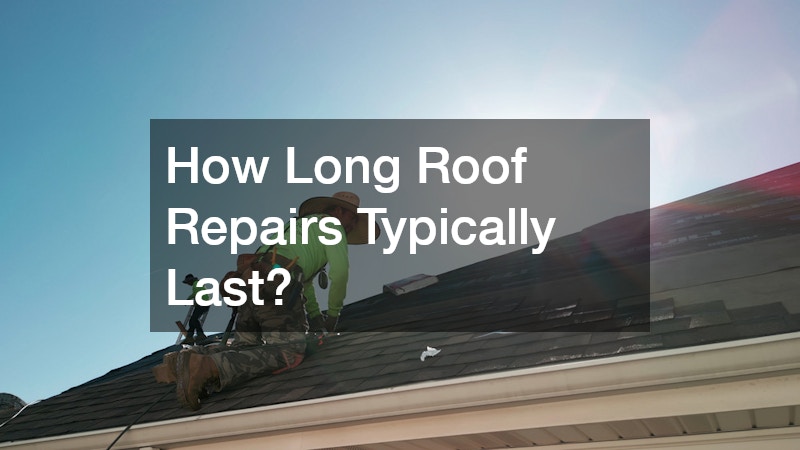
In the world of home maintenance, roof repairs are crucial for ensuring the integrity and longevity of your home. Understanding the lifespan of repairs is essential for both budgeting and planning future maintenance. This article will explore common questions and topics related to the duration of roof repairs. Roof longevity and durability are heavily influenced by a combination of material choices, environmental factors, and maintenance practices.
Having a clear idea about what to expect from a roof repair can guide homeowners in making timely and cost-effective decisions.
1. What Factors Influence the Lifespan of Roof Repairs?
1.1. Type of Roofing Material
The type of roofing material used significantly impacts how long a roof repair will last. For instance, asphalt shingles, widely used for their affordability, typically require more frequent maintenance compared to more durable materials such as metal or tile. Metal roofs are known for their longevity, often requiring repairs primarily due to uncommon damages. Tile roofs, although expensive initially, can outlast many other materials while retaining their functional and aesthetic appeal. Each material choice comes with its own set of maintenance needs, influencing the overall lifespan of any repair undertaken.
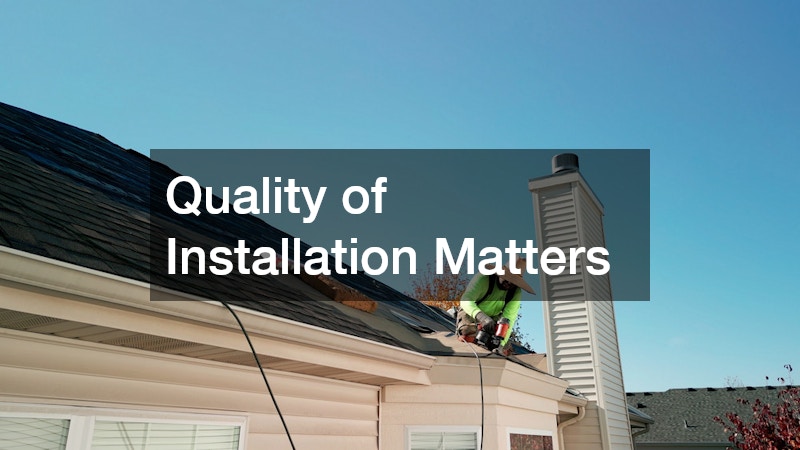
1.2. Quality of Installation
The quality of the roof installation plays a crucial role in determining the durability of subsequent repairs. Poor installation practices can lead to a variety of problems that manifest over time, often necessitating early repairs. Expert installation ensures that the roof performs as expected and minimizes the frequency of repair interventions. Choose certified professionals who follow industry standards to ensure your roof is installed with precision and care. Homeowners can ensure prolonged repair lifespans by initially investing in proper installation.
1.3. Weather and Environmental Conditions
Environmental conditions and local weather patterns are strong determinants of how long repairs will last. Roofs in regions prone to harsh climates, such as heavy rain, snow, or extreme heat, may experience accelerated wear and tear. Natural disasters can also severely affect the integrity of roof structures, thereby necessitating frequent repairs. Protective measures like weatherproofing can extend the longevity of repairs, although regular inspections remain critical. Understanding your environment helps tailor maintenance and repair strategies accordingly.
1.4. Regular Maintenance and Inspections
Regular maintenance and inspections are vital practices for prolonging the life of roof repairs. Scheduling routine inspections allows homeowners to identify and address minor issues before they escalate into costly problems. Maintenance activities such as cleaning gutters and downspouts, clearing debris, and checking for signs of damage can extend the life of a roof significantly. Professionals suggest semi-annual inspections to keep tabs on roof conditions and take timely action when needed. Proactive care ensures small repairs do not evolve into major structural challenges.
1.5. Size and Scope of the Repair
The size and scope of a roof repair significantly impact its expected duration. Minor issues like isolated shingle replacements may not offer long-term relief if underlying issues are not addressed. Conversely, comprehensive repairs that tackle fundamental structural problems tend to have a lasting effect. Larger repairs involving multiple components might benefit from thorough replacements rather than patchwork fixes. Homeowners should consider the potential for future issues when evaluating the scope of a repair to ensure lasting results.
2. How Do Roof Types Affect Repair Longevity?
2.1. Asphalt Shingle Roofs
Asphalt shingle roofs are among the most popular roofing choices due to their cost-effectiveness and ease of installation. However, their relatively short lifespan means repairs are more common compared to other materials. Regular inspections and maintenance can mitigate some of these issues, potentially reducing frequent repairs. Asphalt shingles are susceptible to wear from UV rays and weather exposure, which can cause curling, cracking, or even blistering. Addressing these concerns promptly ensures repairs are effective and the overall roof structure remains sound.
2.2. Metal Roofs
Metal roofs are coveted for their durability and longevity, offering a robust defense against adverse weather conditions. When installed correctly, the need for metal roof repairs is substantially reduced, often limited to addressing damage from severe impacts or rust. Regular maintenance includes examining the roof for loose panels, checking fasteners, and ensuring expansion and contraction do not cause detachment. Metal roofs’ reflective nature can also contribute to energy savings through reduced cooling costs. Despite their resilience, metal roofs require attention to detail during repairs to avert potential corrosion.
2.3. Tile Roofs
Known for their beauty and durability, tile roofs offer long-lasting performance with minimal repairs. Their high resistance to harsh elements makes tiles an attractive option in areas prone to intense weather. Even though repairs are less frequent, when needed, they require specialized skills due to the unique installation methods involved. Cracked or slipped tiles should be restored by professionals to maintain the integrity and appearance of the roof. Homeowners benefit from both aesthetic and functional durability, as tile roofs, with little maintenance, can last decades.
2.4. Wood Shake Roofs
Wood shake roofs bring a natural aesthetic appeal but require diligent maintenance to prevent rot, mold, and insect infestations. Frequent examination and treatment can address these vulnerabilities, thereby prolonging the life of roof repairs. Protective coatings and treatments are common practices to enhance the water resistance of wood shakes. The lifespan of repairs on wood shake roofs highly depends on environmental conditions and regular care. Homeowners should weigh the charming appearance against the ongoing commitment to maintenance.
2.5. Flat Roofs
Flat roofs are a common choice for modern homes due to their sleek appearance and the additional space they offer for rooftop amenities. However, their design makes them prone to drainage issues that can lead to leaks if not properly maintained. Repairs on flat roofs usually involve sealing joints and membranes that have deteriorated over time. Regular inspections for ponding water and drainage efficiency are essential to the longevity of flat roof repairs. Proper care and maintenance ensure these roofs provide consistent durability and performance.
3. What Are the Common Roof Repairs and Their Durations?
3.1. Shingle Replacement
Shingle replacement is one of the most common repair tasks on residential roofs. Depending on the shingle type and installation quality, repairs can last from a few years to several decades. Regular inspections post-repair help in maintaining the integrity of the shingles, reducing the chance of future damage. Most homeowners resort to shingle replacement at the first sign of curling or cracking to ensure no water penetration occurs. However, early detection and proactive repair interventions can significantly enhance the longevity of replaced shingles.
3.2. Leak Repairs
Leak repairs are critical in preventing water damage and maintaining the structural integrity of a home. The effectiveness and longevity of such repairs heavily depend on a thorough diagnosis of the underlying causes. Often, leaks are symptoms of larger issues, such as poor attic ventilation or roofing material degradation. Proper sealing and addressing the root cause can preserve the repair for years, safeguarding the home against moisture intrusion. Consistent monitoring after a leak repair can confirm the adequacy of the solution and highlight any emerging issues.
3.3. Gutter and Downspout Repairs
Gutters and downspouts are essential in directing water away from roofs and foundations, making their repair crucial for home longevity. The common repairs involve cleaning debris, re-aligning, and sealing leaks, which can prevent waterfall overflow and water damage. Regular maintenance of gutters, such as bi-annual cleaning, can enhance repair durability by ensuring smooth water flow. High-quality materials and professional workmanship in repairs can extend the life of these components significantly. Neglecting gutter repairs can lead to more extensive roof problems, emphasizing their importance.
3.4. Flashing Repair
Flashing prevents water seeping through roof joints and thus, requires prompt attention when damaged. Its location makes it vulnerable to harsh weather, but timely repair can ensure a strong, weathertight bond that lasts. Properly installed, high-quality flashing can provide decades of service with minimal interventions. Regular inspections post-installation can catch early signs of wear, allowing protective measures to be taken without delay. Homeowners seeking long-term solutions often prioritize flashing repair to preserve overall roof stability and prevent water infiltration.
3.5. Ventilation Damage Repair
Ventilation plays a significant role in regulating attic temperatures and preventing moisture buildup that could degrade roofing materials. Damaged ventilation requires urgent repair to maintain roof health and energy efficiency within the home. Properly functioning vents reduce overheating during warm months, preventing asphalt shingles from warping. Repairs to ventilation systems should ensure unobstructed airflow and are critical in extending the life of the roof itself. By addressing any issues with ventilation promptly, homeowners enhance the efficacy of their roofs and enjoy consistent indoor comfort.
4. Can DIY Roof Repair Affect Durability?
4.1. Risks of DIY Repairs
DIY repairs on roofs can seem cost-effective initially, but they often pose significant risks to long-term durability. Without professional knowledge, homeowners may miss underlying problems or incorrectly fix visible ones. This can lead to more severe issues down the track, necessitating expensive repairs. Inadequate materials and improper techniques often fail to provide the protection needed against weather elements. DIY enthusiasts should carefully weigh the potential pitfalls against the savings before undertaking roof repairs.
4.2. Professional Assessment Recommendations
Hiring roofing professionals for an assessment can offer insights that ensure repair longevity. Professionals bring experience in diagnosing both apparent and hidden issues, crafting comprehensive solutions. After an expert evaluation, repair plans can be accurately tailored, addressing every aspect that contributes to roof health. Homeowners can thus achieve peace of mind knowing repairs will be both effective and long-lasting. Engaging professional services may incur a cost upfront but typically proves to be a cost-saving measure over time.
4.3. Materials and Tools Quality
The quality of materials and tools used in roof repairs is directly proportional to the effectiveness of the work done. Professionals typically have access to high-grade materials and specialized tools that aren’t readily available to typical homeowners. Using subpar materials can compromise the repair, leading to frequent fixes and higher overall costs. Likewise, inadequate tools might lead to incomplete or incorrect repair processes. Investing in superior materials and tools, even for DIY endeavors, often reduces the need for subsequent repairs.
4.4. Situations Best Left to Professionals
Some roof repair situations inherently demand professional attention, such as extensive water damage or structural repairs. Lack of expertise with such complex problems can result in inadequate fixes, posing safety risks to the home. Professionals bring specific skills and years of field experience, ensuring robust solutions in these contexts. Certain roofing materials and designs pose particular challenges that are best approached with professional oversight. Homeowners should consider these factors when deciding whether to engage a professional service.
4.5. Safety Considerations
Roof repairs inherently involve safety risks, including falls, tool mishandling, and exposure to harmful substances. Professionals are trained to navigate such hazards effectively, employing safety gear and protocols. In contrast, DIYers may face increased risk due to inadequate safety measures or lack of awareness. Even minor accidents on a roof can lead to severe injuries or property damage. Prioritizing safety through professional services not only ensures repair success but also protects everyone involved in the maintenance process.
5. How Can Homeowners Prolong the Lifespan of Their Roof Repairs?
5.1. Routine Roof Inspections
Routine roof inspections are a fundamental practice in extending the lifespan of roof repairs. They allow early detection of potential problems that can be addressed before escalating into major issues. Regular inspections provide an opportunity for maintenance updates, ensuring all roof elements function optimally. Employing professionals for this task ensures thoroughness and accuracy, as minor damages may go unnoticed to the untrained eye. A well-inspected roof ultimately enjoys a longer-lasting repair timeline, contributing to sustained durability.
5.2. Prompt Repair of Damage
Attending to damages promptly is critical for prolonging the effectiveness of any roof repair. Delayed responses to visible damages can lead to growth in issues complexity, requiring more extensive intervention. Acting swiftly not only minimizes the potential harmful effects but also secures existing repairs from the risk of adjacent damages. This proactive approach preserves the quality and lifespan of roofing structures considerably. Homeowners should maintain a mindset of diligence, responding to any perceived damage without delay.
5.3. Proper Ventilation and Insulation
Ventilation and insulation are often overlooked factors that significantly impact roof health and repair longevity. Proper ventilation reduces the risk of moisture buildup and temperature extremes that could damage roof components. Similarly, effective insulation keeps energy costs low while preventing structural damage resulting from thermal expansion and contraction. Homeowners should ensure their homes are equipped with adequate systems to complement repair efforts fully. Ultimately, these measures contribute significantly to sustained roof durability and indoor comfort.
5.4. Use of High-Quality Materials
The selection of high-quality materials is vital for the longevity of roof repairs. Investing in superior materials pays dividends long-term, offering more durability and less frequent need for additional repair. Higher-grade materials often withstand environmental stresses better, maintaining structural integrity over time. Coupled with skilled installation, they can deliver exceptional performance and aesthetical value for years. Homeowners should prioritize material excellence to secure the future health of their roofing investments.
5.5. Engage Professional Services
Engaging professional services is a decisive factor for prolonging the lifespan of roof repairs. Skilled professionals bring a wealth of knowledge, ensuring repairs are comprehensive and precisely executed. This expertise often translates to fewer mistakes, enhanced safety during the repair process, and superior outcomes. The resulting longevity reduces the need for frequent interventions, making professional involvement a cost-effective solution in the long run. Homeowners benefit from both immediate repair success and long-term benefits with professional engagement.
Roof repairs vary greatly in terms of lifespan depending on multiple factors. By understanding these influences, homeowners can make informed decisions to extend the life of repairs and maintain the structural integrity of their homes. Factors such as the type of roofing material, quality of installation, environmental conditions, and regular maintenance play vital roles. Professional services and proactive techniques are keys to achieving sustainability in roof repairs. With the right approach, homeowners can ensure their roofs remain functional and durable for years to come.